Car Seat Lower Back Pain: How to Make Long Drives Easier
The short answer
- Set your seat so your hips and knees are level or slightly lower at the knees.
- A lumbar pillow fills the gap behind your lower back and helps reduce slouching.
- Small changes to seat angle, wheel position, and break timing can make a big difference.
- If pain shoots down your leg or gets worse, check with a medical professional.
Long drives can make car seat lower back pain worse, especially if your seat leaves a gap behind your lower back. When you slump to fill that gap, the pressure on your spine goes up and you may feel stiff, sore, or restless after even a short commute.
The good news is that you usually do not need a major setup to feel better. A few seat adjustments, the right cushion, and a better driving position can reduce slouching and make your back work less on the road.
Here is a simple way to set up your seat, use a memory foam lumbar support pillow correctly, and avoid the common mistakes that make lower back pain worse.
Why long drives trigger lower back pain
Sitting for a long time keeps your lower back in one position. If your seat back is too upright, too reclined, or shaped in a way that leaves a gap at the lumbar area, your pelvis can tilt back and your spine can round forward. That rounded posture is one of the most common reasons drivers feel sore after a long ride.
Road vibrations, stop-and-go traffic, and reaching for the steering wheel can add strain. Even if your pain is mild at first, it can build over time when your body keeps holding the same position without support.
- Look for stiffness after 20 to 40 minutes of driving.
- Notice whether you lean forward or slide down in the seat.
- Watch for soreness that starts in the center of the low back or across both sides.
How a lumbar support pillow helps
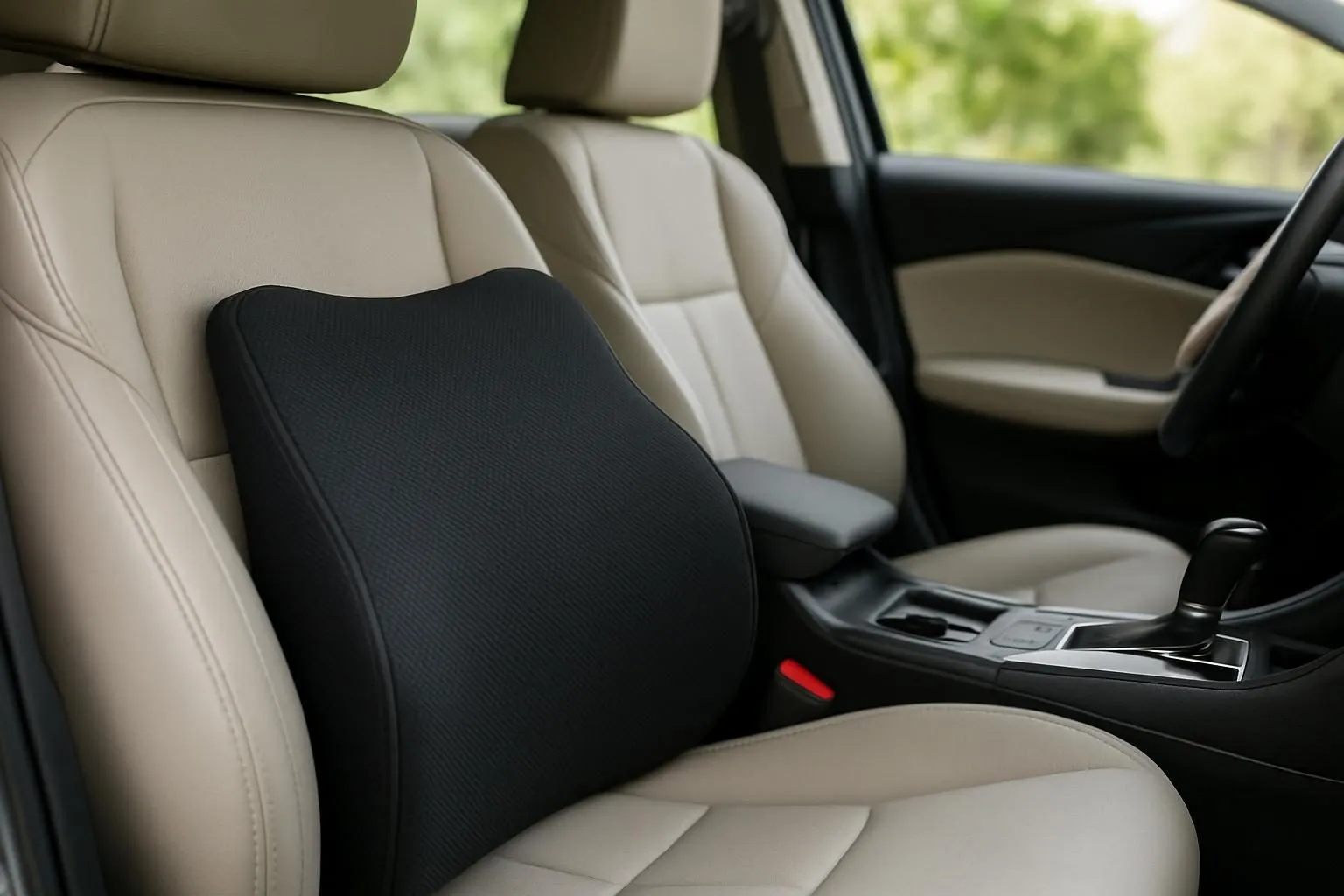
A memory foam lumbar support pillow fills the space between your lower back and the seat. That support helps keep your spine in a more natural position and can reduce the urge to slouch while you drive.
By supporting the lumbar curve, the pillow may also help your upper body stay more relaxed. That can make it easier to keep your shoulders back, hold the wheel comfortably, and avoid constantly shifting in your seat.
- Supports the natural curve of the lower back.
- Helps reduce slouching and forward rounding.
- Can improve comfort during commuting, errands, and road trips.
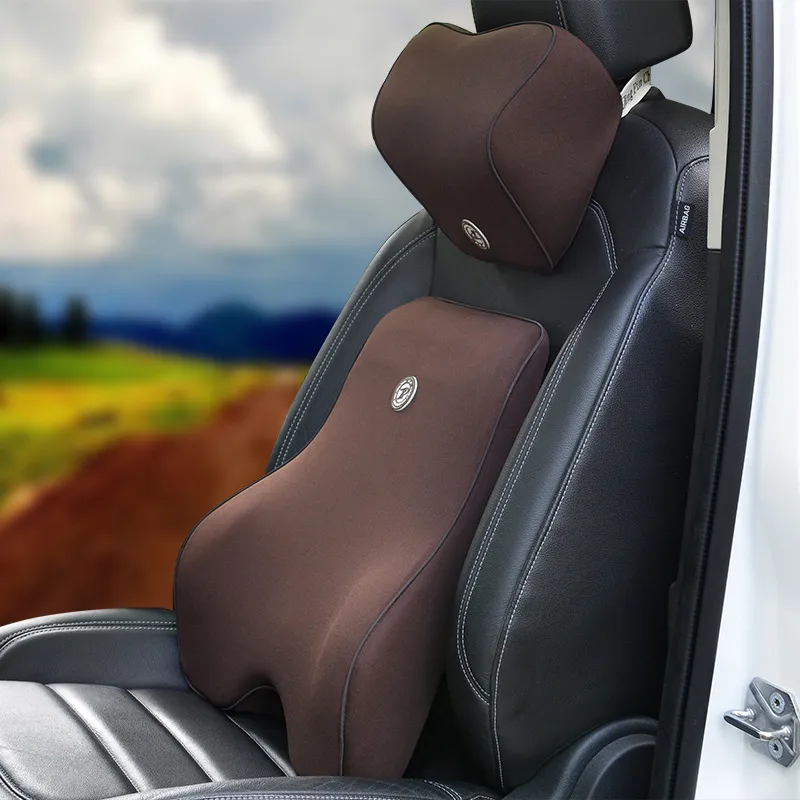
This is the most direct fix for a gap in the lower back. It supports the lumbar curve, helps reduce slouching, and is a good first choice for commuting or road trips.
How to position the pillow the right way
Placement matters as much as the pillow itself. Put the lumbar support at the small of your back, not low on your tailbone and not too high between your shoulder blades. The goal is to support the natural inward curve of the lower spine.
Start with the pillow centered behind your back, then sit all the way back into the seat. If it feels too aggressive, move it slightly higher or lower by a small amount until the pressure feels even and supportive, not pushed forward. The pillow should help you sit taller without forcing you into an uncomfortable arch.
- Center it at the small of your back.
- Sit back fully so the pillow contacts your lumbar area.
- Adjust in small steps until it feels supportive, not poking.
- If the seat has built-in lumbar adjustment, use the pillow to fine-tune, not overpower, that support.
Set your seat before you start the drive
A lumbar pillow works best when the rest of your seat setup is close to right. Start with the seatback angle. Too reclined can make you reach forward, while too upright can press your back flat and feel tight. Aim for a position where your back can rest against the seat without forcing your head forward.
Next check your seat height and distance from the pedals. Your knees should be slightly bent, and your hips should be about level with or a little higher than your knees. If you sit too far back from the pedals, you may stretch and round your lower back. If you sit too close, your knees can rise too high and crowd your posture.
- Keep both shoulder blades against the seat back when possible.
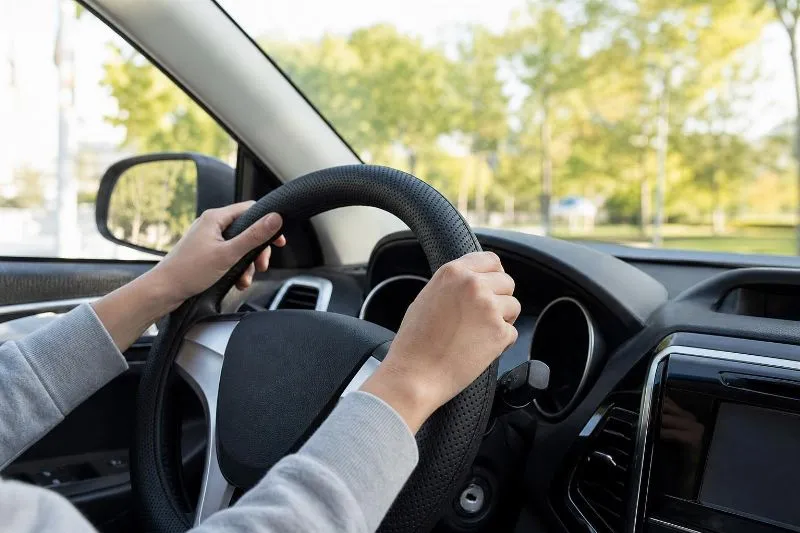
- Set the wheel so your elbows stay comfortably bent.
- Avoid reaching for pedals or the steering wheel.
- Check mirrors after adjusting the seat so you do not lean forward to see.
Use break habits that give your back a reset
Even a good seat setup cannot replace movement. On longer trips, plan short stops so you can stand, walk, and change positions. A quick break can help your back muscles relax after holding one posture for a while.
When you get out of the car, straighten up slowly. If your lower back feels tight, a gentle walk is usually better than staying seated through the discomfort. If you are on a road trip, try to stop at regular intervals instead of waiting until the pain gets intense.
- Take short breaks on long drives when possible.
- Walk a few minutes after getting out of the car.
- Change positions before your back gets stiff.
- Avoid staying folded over a phone or map during breaks.
Mistakes that make car seat lower back pain worse
Some common fixes actually make back pain worse. A pillow that is too thick can push your lower back too far forward and cause soreness. A cushion placed too low can slide you forward and flatten your posture. Sitting on a thick seat cushion without adjusting the rest of the seat can also change your hip angle in an unhelpful way.
Another mistake is trying to solve everything with one product. Comfort usually improves when the cushion, seat angle, and driving posture all work together. If something feels off after a few miles, make one adjustment at a time so you can tell what helps.
- Do not place lumbar support on the tailbone.
- Do not recline so far that you have to lean forward to steer.
- Do not ignore leg discomfort, numbness, or tingling.
- Do not keep driving through sharp or worsening pain.
When a seat cushion can help more than lumbar support
A lumbar pillow helps most when your main problem is slouching or a gap in the lower back. But if your pain comes from pressure under your seat bones, a seat cushion can be a better match. Some drivers benefit from both a lumbar pillow and a seat cushion because each one solves a different problem.
If you sit for long periods and feel pressure in the hips or tailbone, a memory foam seat cushion may help distribute weight more evenly. For drivers who sweat easily or want something lighter, a breathable cushion can improve comfort without trapping as much heat. The key is choosing the support that matches the way your body feels in the seat.
- Use lumbar support for posture and lower back alignment.
- Use a seat cushion for pressure relief under the hips and thighs.
- Choose breathable material if heat buildup is a problem.
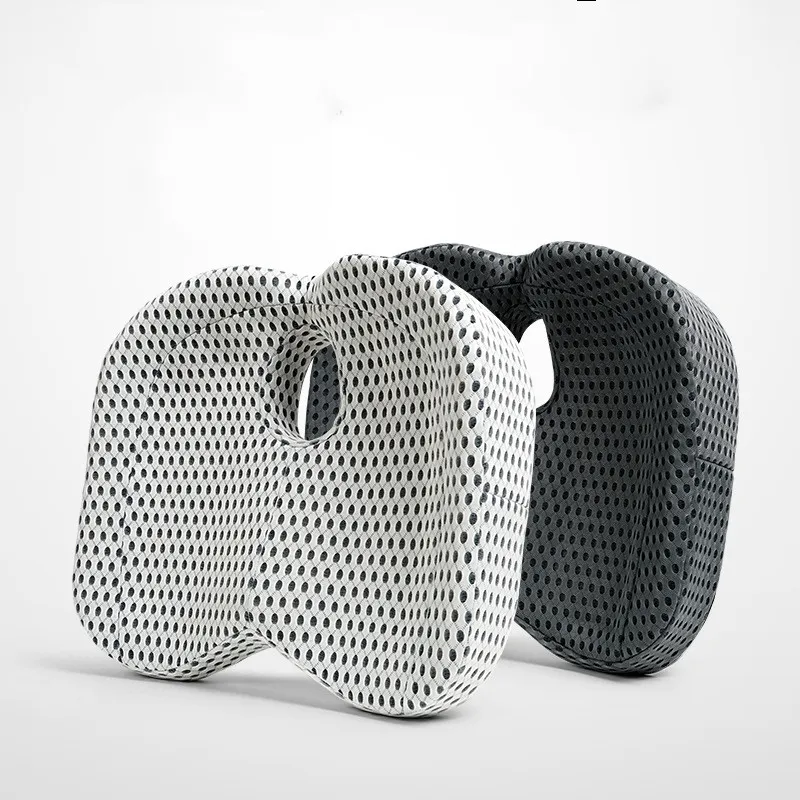
A seat cushion helps when lower back pain is tied to pressure on the hips or tailbone. It can improve overall sitting comfort when paired with lumbar support.
The bottom line
The simplest next step is to adjust your seat, place a lumbar pillow at the small of your back, and test the setup on a short drive first. If the support feels balanced and your posture stays more upright, keep it. If pain keeps building or spreads beyond the lower back, get medical advice and do not push through it.
Gear that helps
Picked from our shop for this problem. Free tracked shipping to all 50 states, and save up to 10% when you buy 2 or more.
This is the most direct fix for a gap in the lower back. It supports the lumbar curve, helps reduce slouching, and is a good first choice for commuting or road trips.
A seat cushion helps when lower back pain is tied to pressure on the hips or tailbone. It can improve overall sitting comfort when paired with lumbar support.
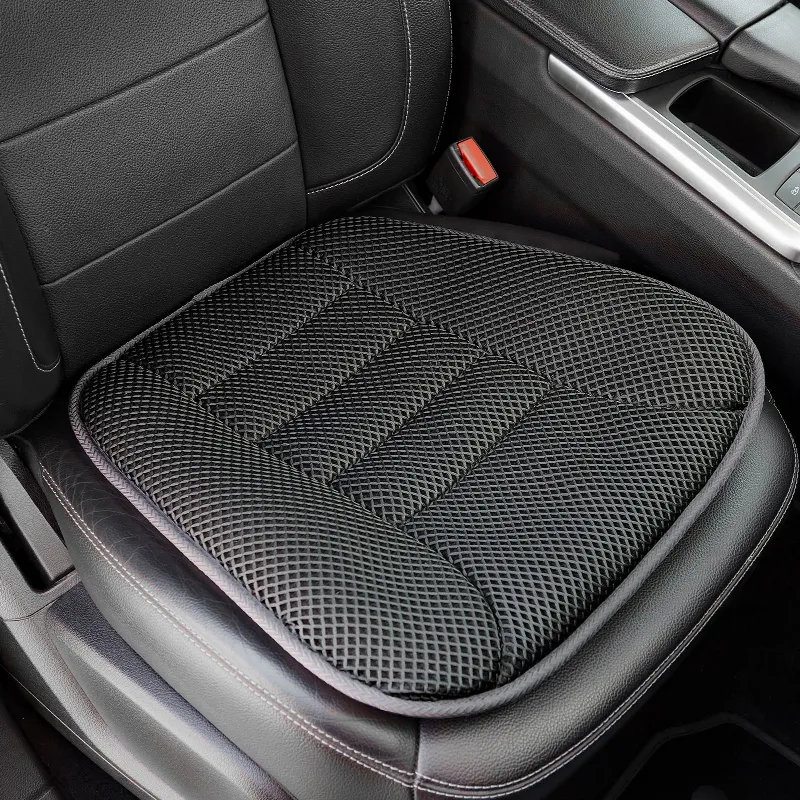
If heat and stiffness make long drives uncomfortable, this cushion can add softer seating support while staying more breathable than thicker foam options.
Questions people ask
Where should a lumbar support pillow sit in a car seat?
Place it at the small of your back, around the natural inward curve of your lower spine. It should support your lumbar area without pushing on your tailbone or sitting too high on your back.
Can a lumbar pillow help with long road trips?
Yes, if your main issue is slouching or poor lower back support. It can make long drives more comfortable by helping you stay in a more upright position, but it works best with proper seat adjustment and regular breaks.
Should my car seat be upright or reclined for back pain?
Usually somewhere in the middle works best. Too upright can feel rigid, while too reclined can cause you to reach forward and round your lower back. Aim for a position where your back rests comfortably against the seat and your arms stay relaxed.
When should I stop driving because of lower back pain?
Stop and rest if pain becomes sharp, causes numbness or tingling, or makes it hard to sit safely and control the car. If pain keeps getting worse, check with a medical professional.