Dog Car Backpack Carrier: How to Use It Safely
The short answer
- Use a backpack carrier for short, controlled trips, not as a loose seat substitute.
- Measure your dog’s length, height, and weight before you buy.
- Introduce the carrier at home first so your dog does not fight it in the car.
- Keep the carrier secured so it cannot slide, tip, or block your view.
A small dog can get nervous fast in a moving car, especially on quick errands, vet visits, or trips through crowded parking lots. A dog car backpack carrier can help keep your dog contained, easier to carry, and less likely to jump out unexpectedly.
The key is choosing the right size and using it the right way. A carrier should support your dog securely, allow enough room to turn and breathe comfortably, and stay out of the driver’s way while the car is moving.
When does a dog car backpack carrier help most?
A backpack carrier is best for short trips where you need your dog contained and easy to move. It can be a good fit for vet appointments, quick stops, apartment elevators, hotel lobbies, or crowded lots where a leash alone is not enough.
It is especially useful for small dogs that want to be held but should not ride loose in the car. Use it as a transport tool, not as a replacement for a proper restraint. In a moving vehicle, the carrier should be secured and your dog should still be calm, enclosed, and protected from sudden shifts.
- Vet visits
- Quick errands
- Crowded parking lots
- Lobbies, elevators, and waiting areas
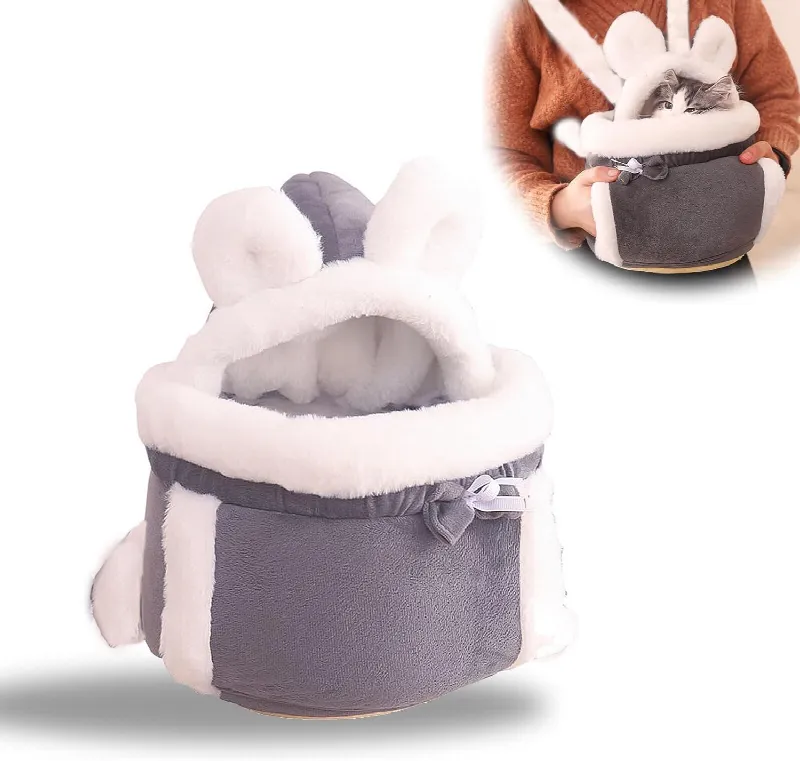
This is a practical pick for short car rides and busy stops because it keeps a small dog enclosed and easier to carry without juggling a leash and loose pet at the same time.
How to choose the right size
Start with your dog’s weight, then check the carrier’s listed size and interior measurements. Your dog should be able to sit, lie down, and turn around without being squeezed. If your dog is between sizes, pick the one that gives a little more room rather than forcing a tight fit.
Measure your dog from nose to base of tail and from floor to top of head while standing. Also check shoulder width if your dog is broad-chested. Leave enough space for your dog to breathe comfortably, but not so much room that they slide around on turns.
A carrier that is too small can cause stress, panting, and pressure on the body. One that is too large can let your dog tumble or shift too much when the car stops short.
- Measure length, height, shoulder width, and weight
- Check interior dimensions, not just outside size
- Choose room to turn and lie down
- Avoid a fit that lets the dog slide around
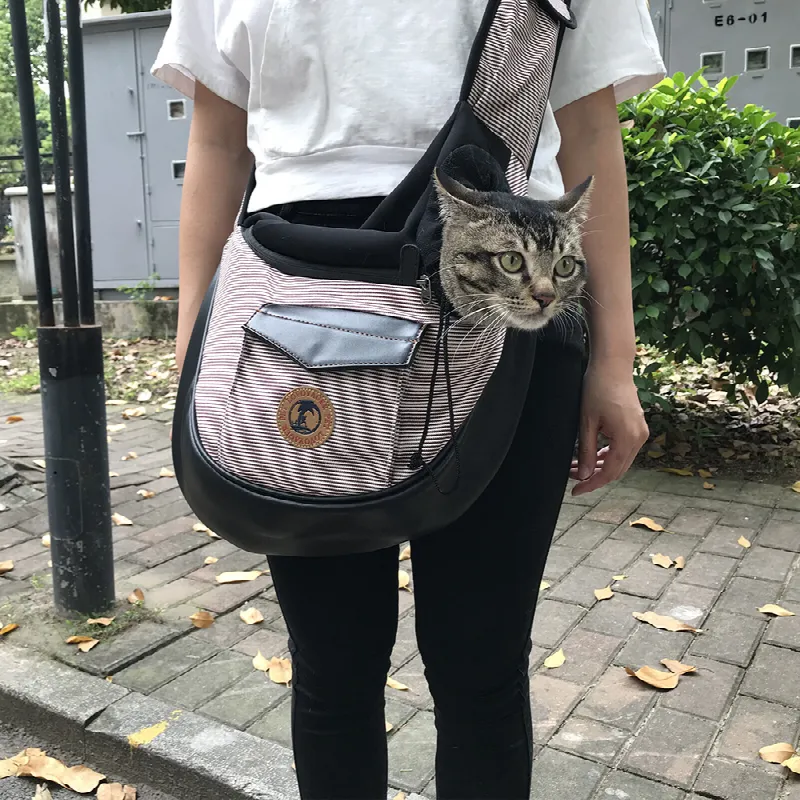
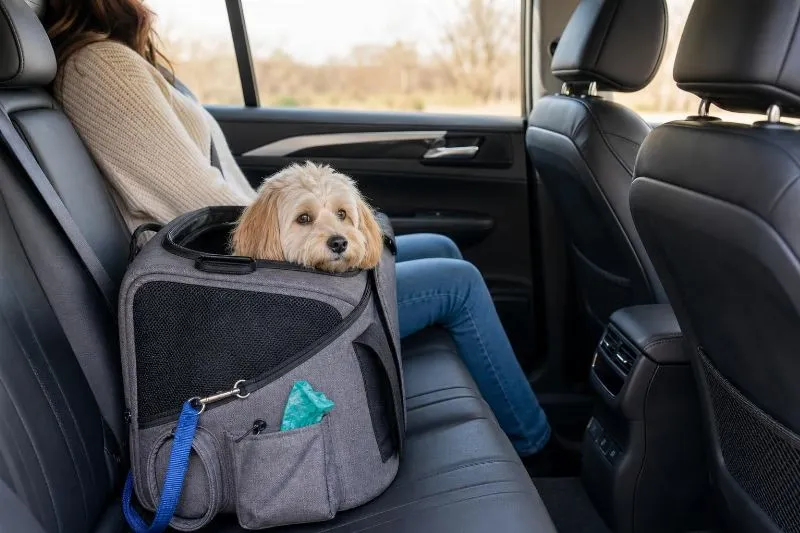
A soft travel bag can help when you want a lighter, simpler option for vet trips and quick errands, as long as the size gives your dog enough room to sit and lie down comfortably.
What features matter for car rides?
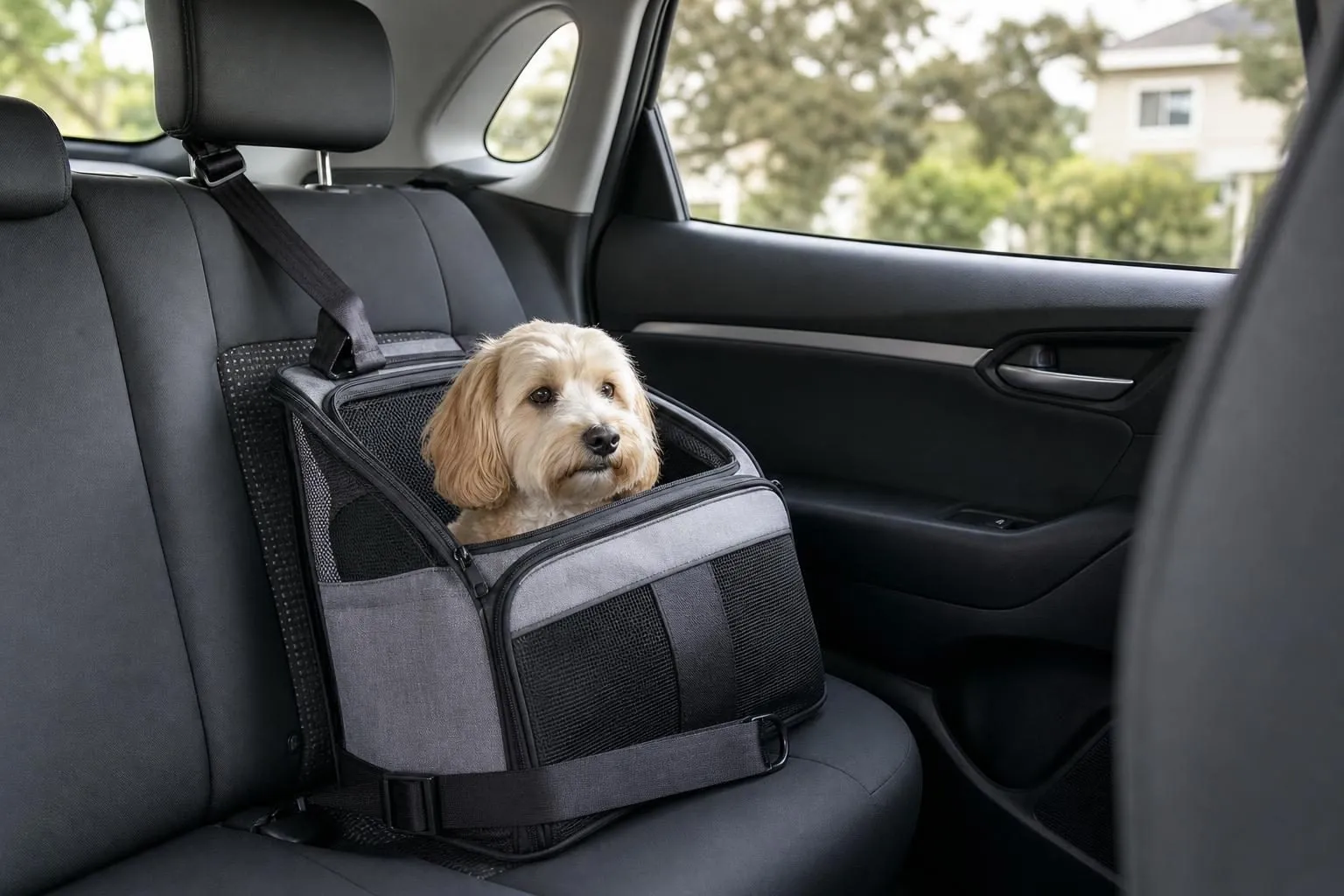
Look for sturdy zippers or closures, firm base support, and good airflow on at least two sides. A stable bottom helps the carrier hold its shape so your dog does not sink or lean. Breathable panels matter on warmer days and during longer waits outside the car.
Inside, a washable liner or pad helps with shed, dirt, and small accidents. Outside, a secure handle or straps make it easier to carry the carrier without tilting it too much. If you plan to use it often, pockets can help hold waste bags, treats, or a collapsible water bowl.
Do not choose a carrier that makes your dog poke their head out while the car is moving. That may look cute, but it increases the risk of injury and can distract the driver.
- Firm base support
- Good airflow
- Washable liner or pad
- Secure closures and carry straps
How to get your dog comfortable before the first ride
Start at home, not in the car. Leave the carrier open in a familiar room with a blanket or towel that smells like home. Let your dog sniff it, step in, and come out on their own. Praise calm interest, but do not force them inside.
Next, feed a few treats near the carrier, then inside it. Once your dog is comfortable, try short practice sits in the parked car with the carrier secured. Keep the session brief and calm, then end before your dog gets restless. This helps them learn that the carrier is normal, not a punishment.
If your dog shows heavy panting, whining, freezing, or repeated trying to escape, slow down and shorten the steps. A few short sessions work better than one long, stressful one.
- Leave the carrier open at home
- Use treats to build positive associations
- Practice in a parked car first
- Stop before your dog gets overwhelmed
How to use it safely in the car
Place the carrier where it can stay stable and where it will not block your rearview mirror, pedals, or airbags. For a small dog, the back seat is often the safer place once the carrier is secured and does not slide. If you use the front seat at all, make sure it does not interfere with airbag deployment. When in doubt, use the back seat and check your vehicle’s manual.
Buckle or strap the carrier down if the design allows it. If the carrier is meant to ride on a seat, keep it from tipping with the seat belt or another secure method approved by the carrier design. Never leave the door or zipper loose enough for your dog to jump out at a stop.
Keep rides smooth. Brake gently, take corners slowly, and avoid sudden lane changes when possible. Small dogs feel motion more strongly than larger dogs.
- Secure the carrier so it cannot slide
- Keep it out of the driver’s way
- Use the back seat when possible
- Check for any airbag interference
What to pack for a calmer trip
A small kit can make the ride easier: a leash for after you park, waste bags, a treat pouch, and a collapsible water option for longer waits. Bring a towel or washable liner if your dog tends to drool, shed, or get nervous on the way to the vet.
Do not pack bulky items inside the carrier with your dog. Extra clutter takes away space and can shift around in a turn. If the carrier has pockets, use those for light items only.
If your dog gets carsick, talk to your vet before a trip. Some dogs need a different travel plan or medical guidance, especially for longer rides.
- Leash
- Waste bags
- Treats
- Water for longer waits
- Towel or washable liner
The bottom line
The simplest way to start is to measure your dog, choose a carrier with enough room to sit and turn, and practice at home before the first trip. Use it for short rides, keep it secured, and watch for signs of stress. With the right setup, your dog can ride more calmly and you can load and unload with less fuss.
Gear that helps
Picked from our shop for this problem. Free tracked shipping to all 50 states, and save up to 10% when you buy 2 or more.
This is a practical pick for short car rides and busy stops because it keeps a small dog enclosed and easier to carry without juggling a leash and loose pet at the same time.
A soft travel bag can help when you want a lighter, simpler option for vet trips and quick errands, as long as the size gives your dog enough room to sit and lie down comfortably.

For longer waits after parking, this helps you offer water without carrying a bulky bowl, which can make trips smoother for a nervous or warm dog.
Questions people ask
Can a small dog ride in a backpack carrier for a long trip?
It can work for short periods, but long trips are harder on most dogs. Plan breaks for stretching, water, and bathroom stops, and make sure your dog is comfortable being enclosed for the full ride.
Should my dog wear a harness inside the carrier?
A properly fitted harness can be useful if the carrier design includes a secure attachment point, but do not use anything that could tangle or choke your dog. Avoid collars that can put pressure on the neck inside a confined space.
Where should I put the carrier in the car?
A stable spot in the back seat is often best, as long as the carrier does not move around and does not block the driver’s view. Avoid placing it where it could interfere with airbags, pedals, or controls.
How do I know if the carrier is too small?
If your dog cannot sit, lie down, and turn around comfortably, it is too small. Watch for hunching, tight breathing, or repeated attempts to get out, which can mean the fit is cramped or stressful.