Pet Carrier Backpack Tips for Safer Car Rides
The short answer
- Use a backpack carrier when your small dog gets anxious, won’t settle, or needs a contained space in the car.
- Measure your dog before buying: length, height, and weight all matter.
- Look for ventilation, a firm base, and enough room to sit, stand, and turn around.
- Keep the carrier secured and pack only small essentials in the pockets.
A small dog can feel nervous in the car, especially if they slide around, try to climb into your lap, or bark at every stop. A pet carrier backpack can help by giving your dog a stable, familiar space that is easier to manage than loose holding.
The key is using it correctly. A good fit, proper securing in the vehicle, and the right small items in the pockets can make rides safer and calmer for both of you.
Here’s how to tell when a backpack carrier is the better choice, how to size it, and what to pack so you’re ready for everyday drives or longer trips.
When does a backpack carrier work better?
A pet carrier backpack works best when your dog is small, easily overstimulated, or tempted to move around the car too much. It can also help when you need both hands free at stops, parking lots, or rest areas.
It is better than loose holding because loose dogs can slip, jump, or distract the driver. A carrier gives your dog a defined space and can reduce the chance of wandering onto pedals, out of a door, or into the front seat.
A carrier is not a substitute for safety. It still needs to be secured in the car and sized so your dog can sit, stand, and lie down without being cramped.
- Best for small dogs that get nervous in the car
- Better than holding a dog on your lap
- Useful for quick stops and travel breaks
- Should never block seat belts, buckles, or airbags
How do you size a pet carrier backpack?
Start by measuring your dog while they are standing. Measure from the tip of the nose to the base of the tail, then from the floor to the top of the shoulders. Also check weight, since many carriers list a weight limit as well as interior dimensions.
Your dog should be able to turn around, sit up, and lie down comfortably. If the carrier is too small, your dog may overheat, resist going in, or panic on the road. If it is too large, they may slide around more than necessary.
Look for a firm bottom so the carrier does not sag. Soft walls are fine if they still hold shape. If your dog is between sizes, choose the roomier option only if it still feels snug enough to keep them from bouncing around.
- Measure length, shoulder height, and weight
- Check interior dimensions, not just outside size
- Make sure your dog can turn, sit, and lie down
- Choose a carrier with a stiff base and good airflow
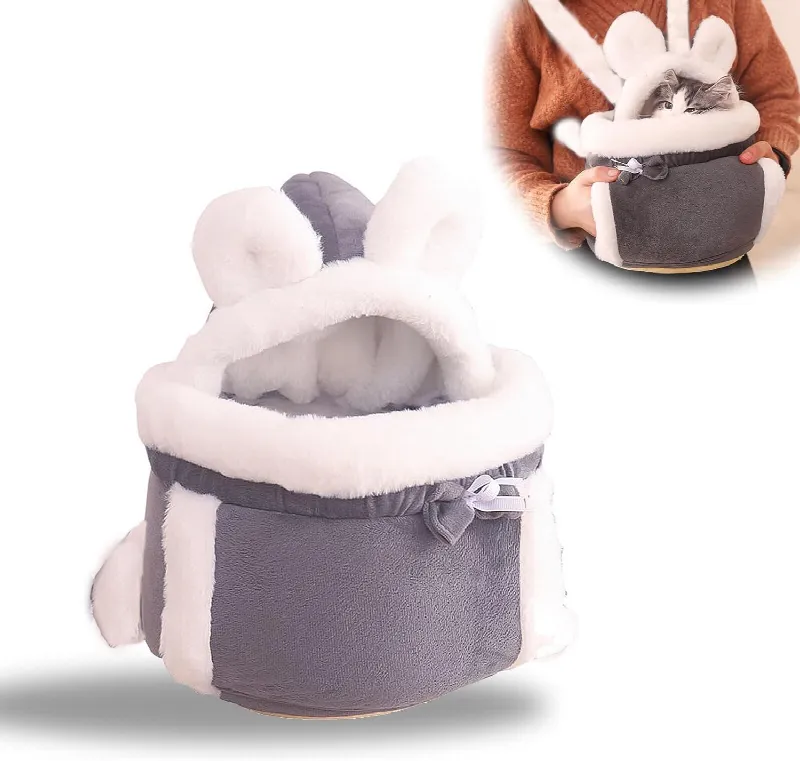
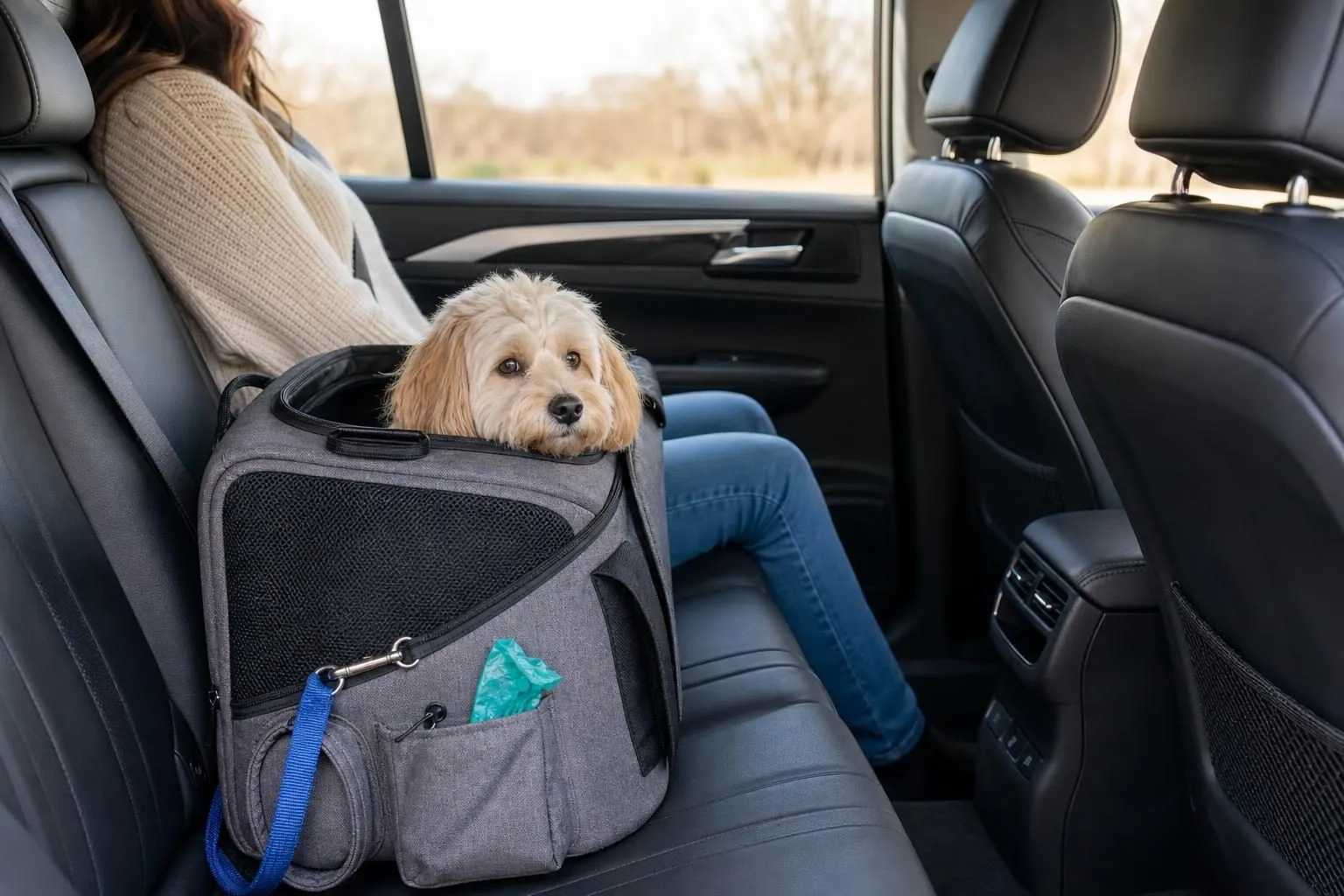
This backpack carrier is a good fit when you want a contained, easy-to-carry space with pockets for treats, waste bags, and other small travel items.
How should you secure it in the car?
Place the carrier where it will stay stable and where it will not interfere with airbags or the driver’s view. The back seat is usually the safest place for travel, but the carrier still needs to stay put.
If the carrier design allows it, use the vehicle seat belt to keep it from sliding. If it sits on the seat, make sure it cannot tip forward during braking. If it sits on the floor, confirm it fits flat and does not wedge against pedals or seat tracks.
Never leave the carrier loose where it can fly forward in a hard stop. Even a small carrier can shift fast if it is not secured. If your dog is very anxious, a stable rear-seat setup is usually calmer than constant handholding.
- Keep it out of airbag zones
- Prevent sliding and tipping
- Do not place it where it can reach pedals
- Use the back seat whenever possible
What should the pockets hold?
Pockets are most useful when they carry small, easy-to-reach items you want during the ride or at quick stops. Think treats, waste bags, a leash, folded wipes, and a small water bottle. That keeps your essentials together without digging through the car.
Do not overpack the carrier. Heavy items can make it harder to carry, and loose objects inside can shift around and bother your dog. Keep the main space for the dog, and use the pockets for lightweight travel items only.
If your dog gets carsick, keep cleanup supplies handy. A small towel or absorbent pad can help with messes, but it should not crowd your dog or block airflow.
- Treats for calm, reward-based training
- Waste bags for rest stops
- Leash for safe exits
- Wipes or a small towel for cleanup

A foldable water bottle makes it easier to offer water at rest stops without bringing along a bulky container.
How do you help a small dog stay calm?
Before the drive, let your dog sniff the carrier at home and reward calm behavior. Short practice sessions help the carrier feel familiar before you ever turn the car on.
Keep the first rides short and predictable. A dog that is new to a carrier may do better with a few minutes in the driveway, then a short loop around the block, then a longer trip later. Sudden long drives can create more stress.
Use a comfortable but secure setup. A familiar blanket can help, but do not add bulky bedding that lets your dog slide too much. For pets, a crash-tested harness or carrier is still the right choice; for children, always use the correct car seat.
- Introduce the carrier at home first
- Start with short, easy drives
- Reward calm behavior, not barking or scrambling
- Use a proper pet restraint, not loose holding
What mistakes should you avoid?
Do not use a backpack carrier that is too small, too floppy, or too crowded with extras. If your dog cannot shift position naturally, the setup is not right.
Do not set the carrier where it blocks a seat belt, buckle, mirror, or airbag. Also avoid placing it on a seat if it can slide off during a sharp turn or stop.
Finally, do not assume a small dog does not need restraint because they are light. A calm dog is still safer when the carrier is secured and the car layout stays clear and uncluttered.
- No loose carriers
- No blocked belts or buckles
- No airbag interference
- No overcrowded pockets or heavy add-ons
The bottom line
The simplest setup is a carrier that fits your dog, stays secured in the back seat, and holds only the essentials in the pockets. Measure first, check the fit before the trip, and practice short rides at home. That gives your small dog a safer space and makes car time easier for both of you.
Gear that helps
Picked from our shop for this problem. Free tracked shipping to all 50 states, and save up to 10% when you buy 2 or more.
This backpack carrier is a good fit when you want a contained, easy-to-carry space with pockets for treats, waste bags, and other small travel items.
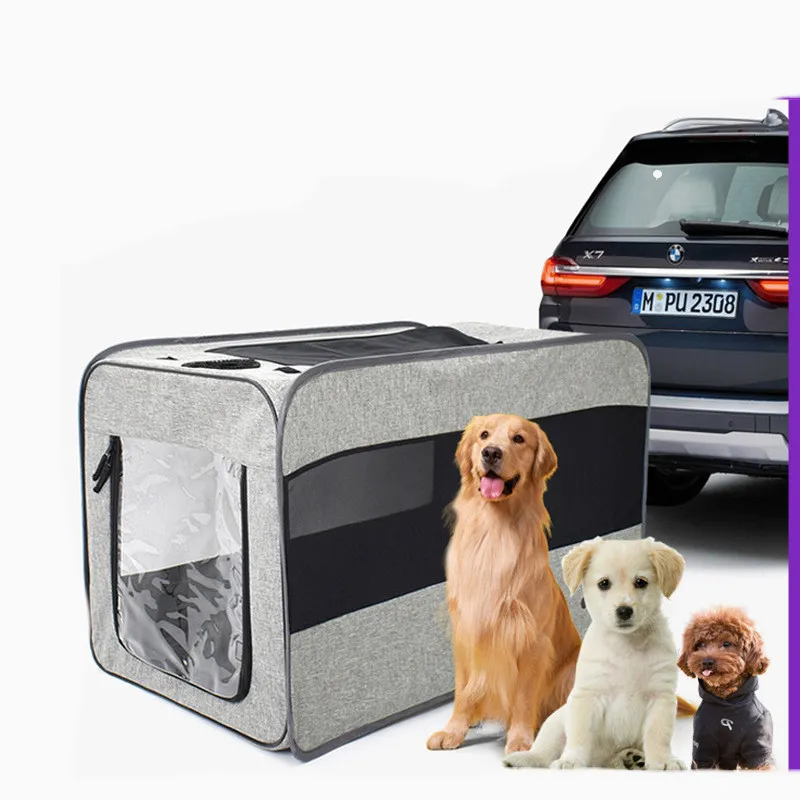
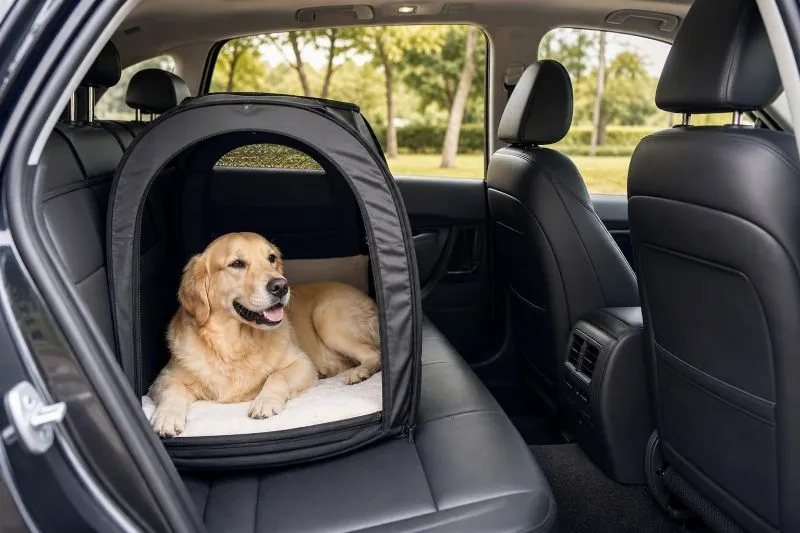
This foldable carrier is useful when you want a more enclosed travel option that still gives a small dog a secure place to rest during car rides.
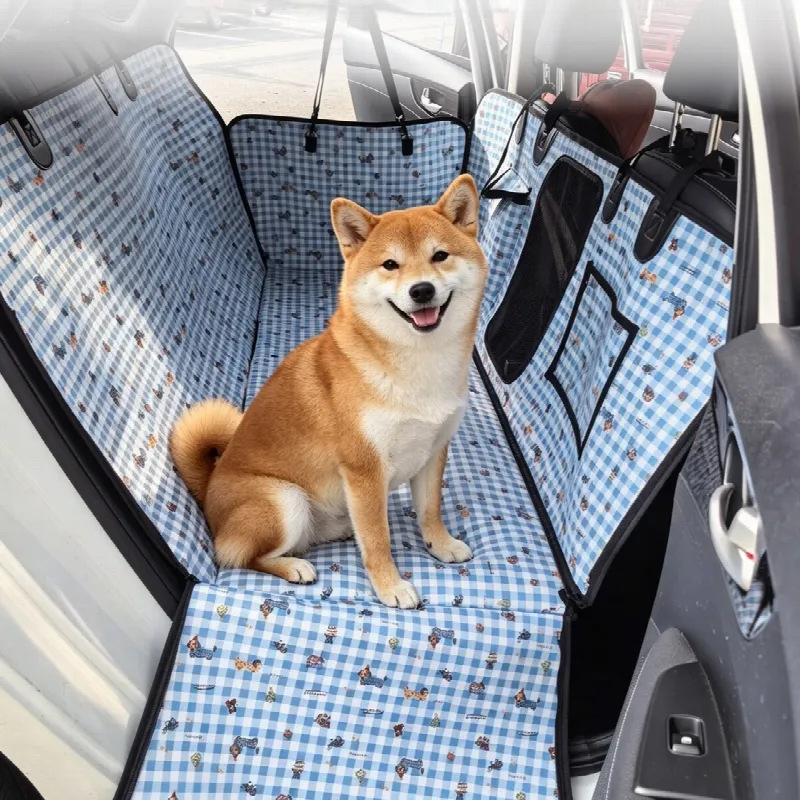
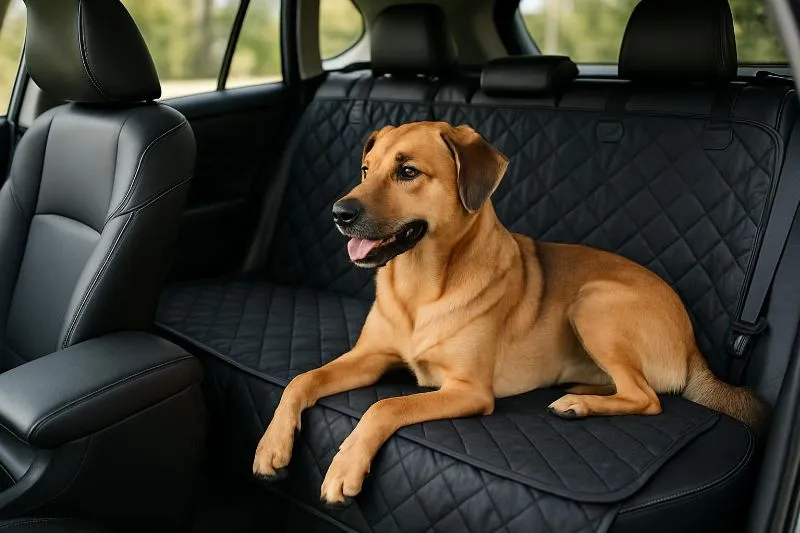
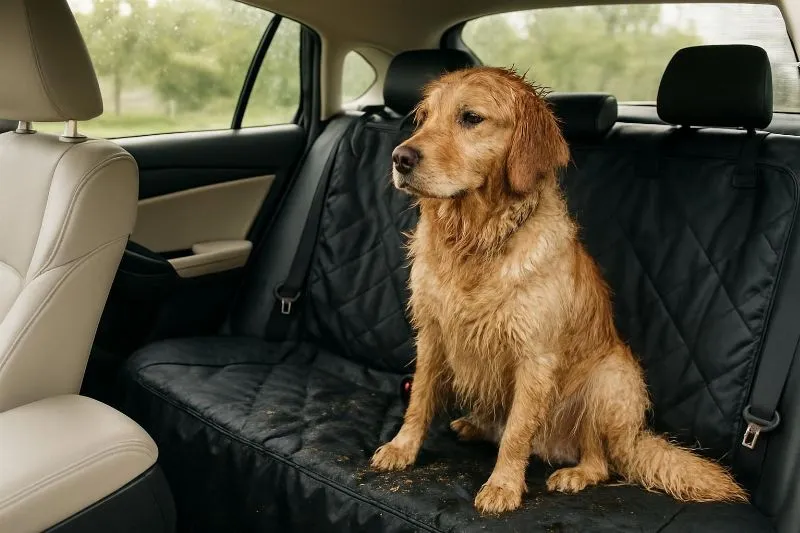
A rear seat cover helps keep the car cleaner if your dog sheds, drools, or tracks in dirt around the carrier area.
A foldable water bottle makes it easier to offer water at rest stops without bringing along a bulky container.
Questions people ask
Can a small dog ride in a pet carrier backpack all the time?
It depends on the dog and the trip. A backpack carrier can work well for short drives and calm travel, but your dog still needs enough room to sit, stand, and lie down. If the carrier is too confining or your dog shows stress, choose a different setup.
Should I put the carrier on the front seat?
No, the back seat is usually better. The front seat can put your dog too close to airbags and driver controls. Keep the carrier where it will not interfere with the driver or the vehicle’s safety systems.
What should I pack in the carrier pockets?
Pack lightweight essentials only: treats, waste bags, a leash, wipes, or a small towel. Avoid heavy items or anything that takes up the main space your dog needs.
How do I know if the carrier is the right size?
Your dog should be able to turn around, sit up, and lie down comfortably. Measure your dog’s length, shoulder height, and weight, then compare those numbers to the carrier’s interior dimensions.