Driver Seat Cushion Cover for Tailbone Comfort on Long Drives
The short answer
- Choose a cushion cover that spreads pressure across the seat, not just one soft spot.
- Check fit, thickness, and grip so the cushion stays put without changing your driving position too much.
- Breathable materials help reduce heat buildup on daily commutes and road trips.
- If pain is sharp, numb, or persistent, adjust your setup and check with a medical professional.
Long drives can turn tailbone pressure into real discomfort, especially if your seat is firm, hot, or worn out. A good driver seat cushion cover can help by adding a softer surface and spreading your weight more evenly.
The goal is not just more padding. You want better pressure relief, less heat, and a setup that still lets you sit safely and reach the pedals without sliding around. Here’s how to choose and use one the right way.
Why your tailbone hurts on long drives
Tailbone pain often gets worse when you sit in one position for a long time. A hard seat edge, shallow padding, or a seat that tilts your pelvis backward can put extra pressure right under the coccyx.
If you also feel stiffness in your hips or lower back, the problem may be a mix of pressure and posture. The right cushion setup can help distribute weight better and make it easier to sit upright without slouching.
- Pressure concentrates on the center of the seat
- Heat buildup can make soreness feel worse
- Poor posture can increase strain during long commutes
- A worn seat may need extra cushioning
What to look for in a driver seat cushion cover
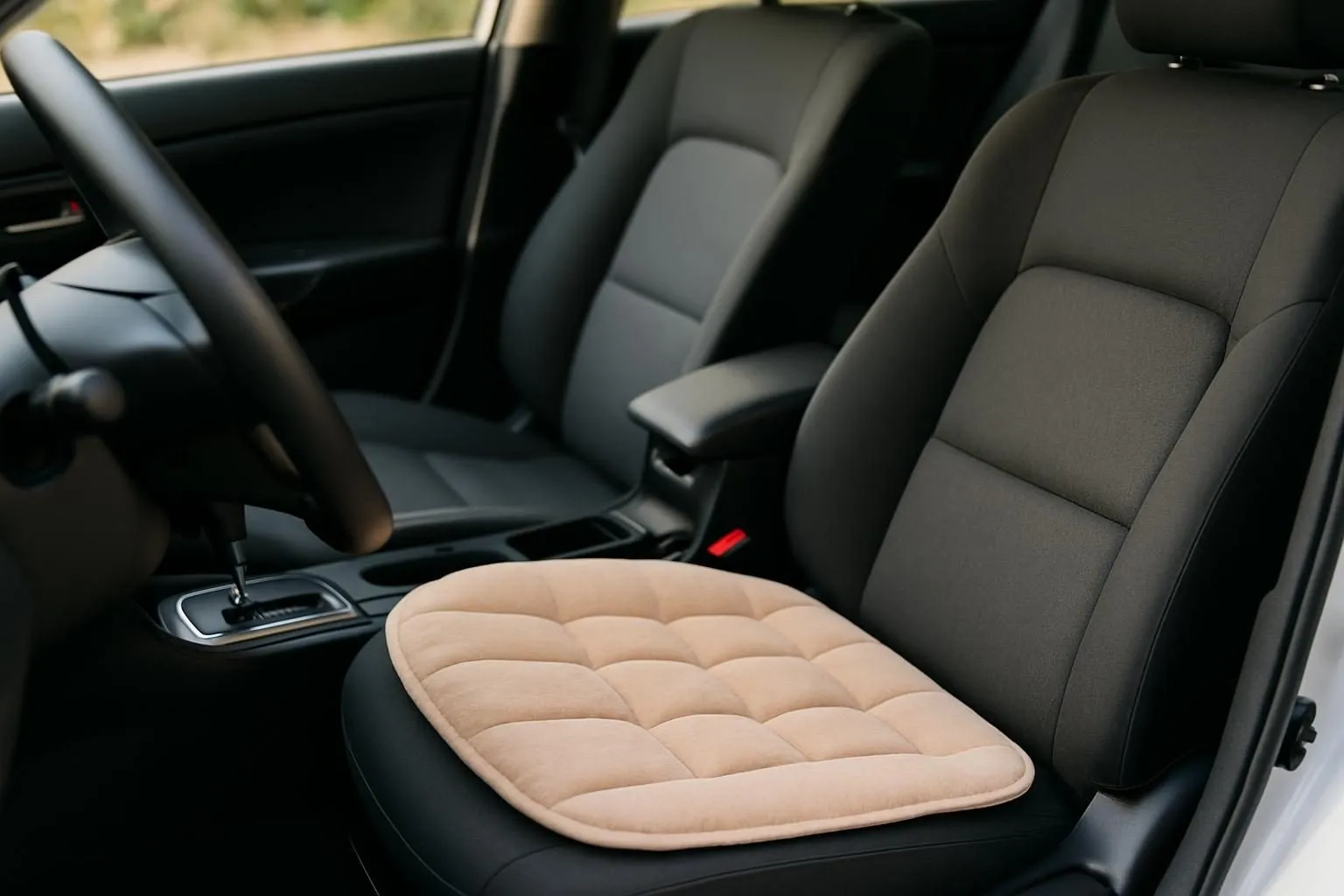
Look for a cover that adds softness without making you sit too high. A cushion that is too thick can change how you reach the pedals, wheel, or mirrors, so measure the added height before you buy.
A grippy bottom, secure straps, and a shape that stays centered are important. You want the cushion to stay in place during stops and turns, but it should never interfere with the seat belt buckle or the way the seat adjusts.
- Check the added seat height before installing
- Make sure the cover does not block controls or buckles
- Choose a surface that feels soft but still supportive
- Look for a design that stays put on fabric or leather
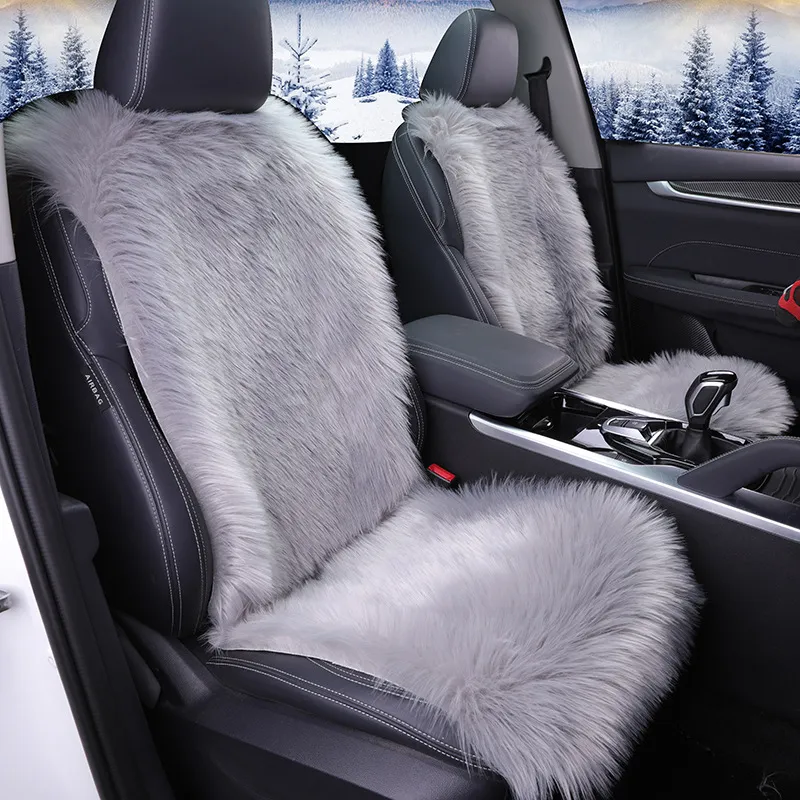
This plush cover is the most direct match for reducing tailbone pressure, especially if your current seat feels firm or hot during long drives.
Who benefits most from extra tailbone padding?
This kind of cushion is especially useful for daily commuters, rideshare drivers, delivery drivers, and anyone who spends a lot of time in the front seat. It can also help on road trips when you are seated for hours with only short breaks.
People with occasional tailbone soreness after sitting, a sensitive coccyx, or a seat that feels too firm often notice the biggest difference. If you already have a medical condition or recent injury, choose support carefully and follow your clinician’s advice.
- Daily commuters on stop-and-go routes
- Drivers with a firm or aging seat
- People who feel pressure after 30 to 60 minutes
- Road trippers who need help with heat and stiffness
How to fit the cushion for real comfort
Start by placing the cushion so your tailbone rests on the softest part, but your thighs still get support. If the cushion has a cutout or contour, line it up with the area that feels most sensitive rather than centering it by eye alone.
After installation, sit for a few minutes and check your posture. Your hips should feel level, your knees should not rise too high, and you should still be able to press the pedals fully without reaching. If anything feels off, move the cushion forward or back a little.
- Recheck pedal reach after installing
- Keep the cushion centered and flat
- Do not stack extra pads underneath
- Remove it if it shifts during driving
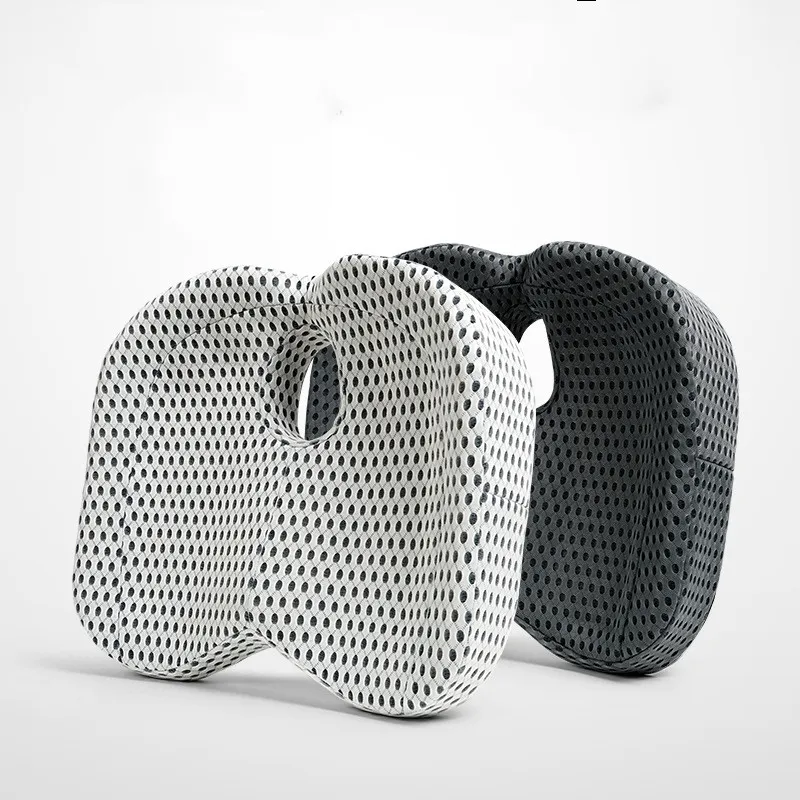
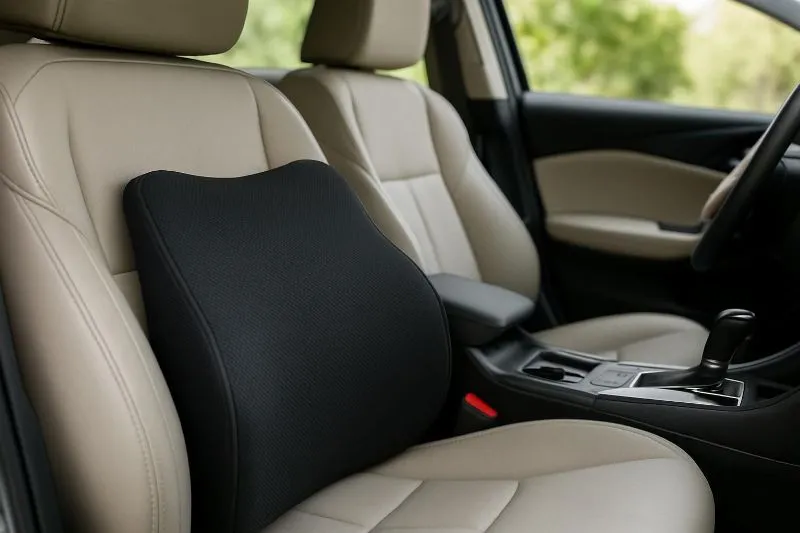
A memory foam cushion can add targeted support under the hips and tailbone, which helps when the seat needs more shaping than softness alone.
Reduce heat and stiffness on road trips
Heat can make seat pain worse, especially in warm weather or during long afternoon drives. A plush cover can help, but breathable materials matter too if you want to stay comfortable for hours at a time.
On trips longer than an hour, build in short stops to stand, stretch, and walk. Even a two-minute break can ease pressure on the tailbone and help your hips reset before you get back on the road.
- Use breathable materials when possible
- Avoid dark, heat-trapping seats when parked in sun
- Take short walking breaks every 60 to 90 minutes
- Loosen tight clothing that adds pressure while sitting
Safety checks before you drive
A comfort accessory should never make driving less safe. Make sure the cushion does not block the seat belt buckle, push you too close to the steering wheel, or reduce your view over the hood and mirrors.
If you carry children or pets, use the proper restraint for them instead of relying on a cushion or cover. For kids, use the correct car seat. For pets, use a crash-tested harness or carrier and follow the product guidance that fits your setup.
- Confirm clear access to the seat belt buckle
- Check that the seat still adjusts normally
- Keep the driver’s view and arm position natural
- Use proper restraints for kids and pets
When a cushion is not enough
If tailbone pain keeps coming back even after you adjust the seat, take breaks, or switch cushions, the seat itself may be the bigger issue. Very worn padding, a sagging cushion, or a driving position that puts you too low can all contribute.
Persistent pain, numbness, or pain that spreads beyond the tailbone should be checked by a medical professional. A cushion can improve comfort, but it should not be used to push through worsening symptoms.
- Pain that gets worse over time needs attention
- Numbness is a sign to stop and reassess
- Seat wear may require a different solution
- Medical guidance matters if pain is ongoing
The bottom line
If long drives hurt your tailbone, start with a cushion that adds softness without changing your driving position too much. Check the fit, make sure nothing interferes with safety, and use short breaks to keep pressure from building up. For many drivers, that simple setup change makes daily commutes and road trips far easier to handle.
Gear that helps
Picked from our shop for this problem. Free tracked shipping to all 50 states, and save up to 10% when you buy 2 or more.
This plush cover is the most direct match for reducing tailbone pressure, especially if your current seat feels firm or hot during long drives.
A memory foam cushion can add targeted support under the hips and tailbone, which helps when the seat needs more shaping than softness alone.
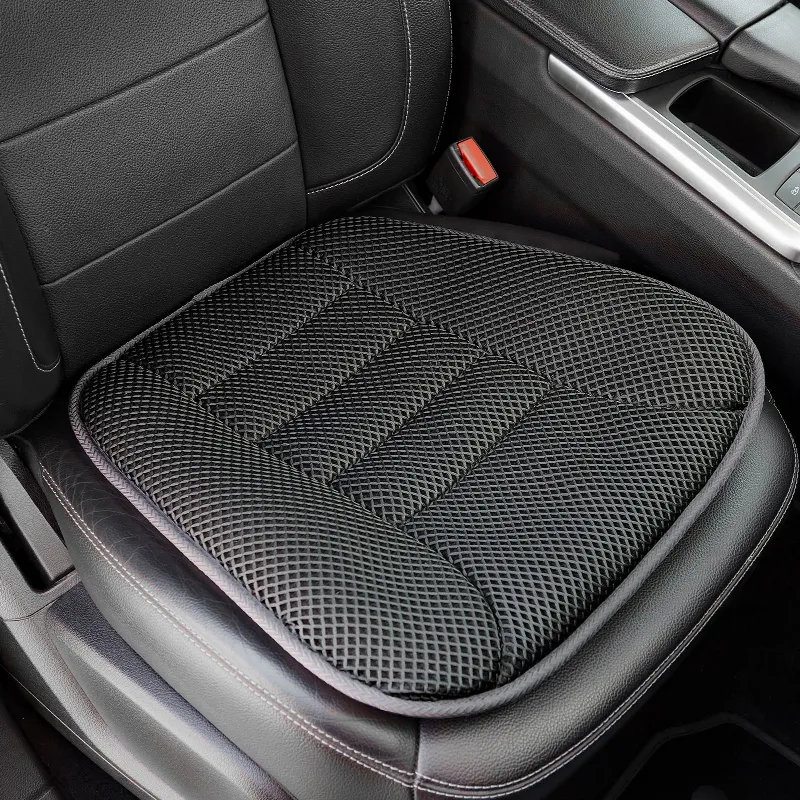
This breathable mesh option is useful if heat buildup is part of the discomfort, since it can improve airflow on daily commutes and road trips.
Questions people ask
Will a driver seat cushion cover help with tailbone pain immediately?
It can help right away if the seat pressure is the main problem, but results depend on fit and seat shape. If the cushion is too thick or too soft, it may create new discomfort instead of fixing the old pressure point.
How thick should a seat cushion be for driving?
There is no single best thickness. The main goal is enough padding to reduce pressure without raising you so much that your pedal reach or mirror view changes. Always test the cushion in the parked car before driving.
Can I use a cushion if my seat already feels soft?
Yes, if the seat still creates a pressure point on your tailbone. A cushion can help spread weight more evenly, but if the seat is already low and soft, choose a thinner design so you do not sink too far into it.
Should a cushion replace a lumbar pillow?
Not always. A seat cushion helps with tailbone pressure, while a lumbar pillow supports the lower back. Some drivers need only one of them, while others benefit from both as long as neither changes driving posture or seat belt fit.