Car Camping Air Mattress Setup for a Better Night's Sleep
The short answer
- Measure the sleeping space before you buy or inflate anything.
- Flatten the seat area first so the mattress supports your back evenly.
- Add a pillow and ventilation plan to reduce stiffness and heat.
- Keep safety basics in mind: park level, leave airflow, and follow your state's rules.
Sleeping in a car can be fine for a night or two, but only if you make the space flatter and easier on your body. A good car camping air mattress helps, but fit and setup matter just as much as the mattress itself.
The goal is simple: reduce gaps, protect your back and hips, and keep the space usable from bedtime to morning. With a few checks before you leave and a quick setup routine at camp, you can turn a back seat or cargo area into a much better sleeping spot.
What makes a car sleeping setup feel uncomfortable?
Most bad car sleeps come from three things: gaps, slope, and pressure points. A seatback seam or folded seat can press into your hips or shoulder. A tilted parking spot can make you slide all night. If the sleeping surface is too short or narrow, you end up curled up instead of resting.
Before you buy anything, think about the exact space you have. A back seat, folded rear seat, or cargo area all need different support. Measure the length, width, and highest point where the seatbacks or wheel wells cut into the space.
- Measure from your head position to your feet space.
- Check the narrowest point between doors or wheel wells.
- Look for seams, buckles, and hard edges that need padding.
- Park on level ground when you can.
How do you choose the right mattress for the space?
A car sleeping mat should match the shape of your vehicle, not fight it. If you use the back seat, look for a mattress that bridges the seat gap and supports the footwell area. If you sleep in the cargo area, make sure the mattress fits around wheel wells without leaving a big hollow under your hips.
A self-inflating style can be helpful because it adds cushion without much setup effort. Still, check the packed size, inflated length, and width against your measured space. Leave room for bedding and for getting in and out without scraping the side panels.
- Choose a shape that covers seat gaps or cargo cutouts.
- Check inflated dimensions, not just packed size.
- Confirm the mattress height works with your headroom.
- Plan for a pillow space at the top end.
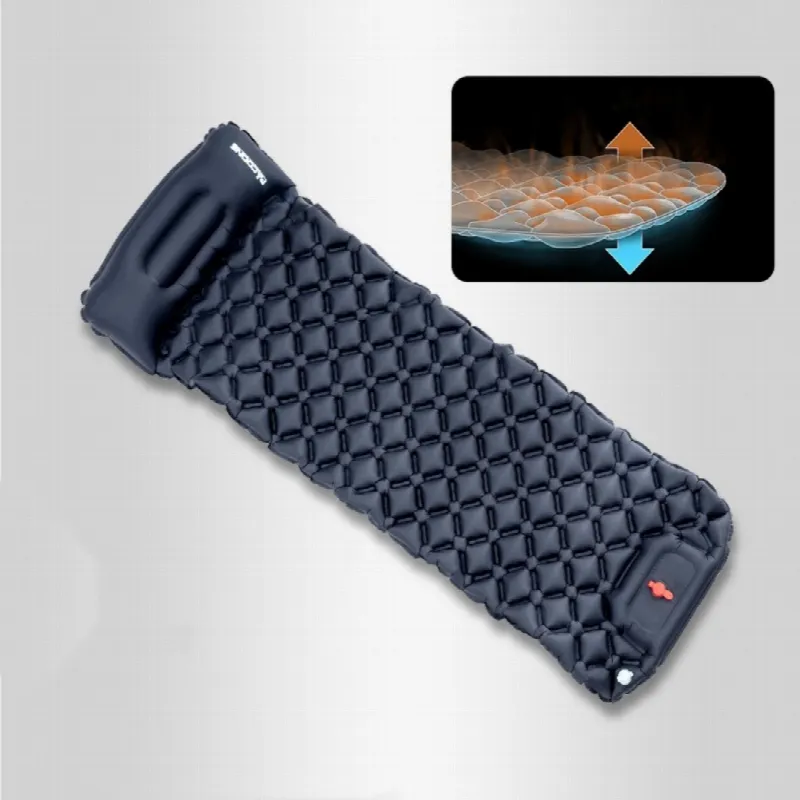
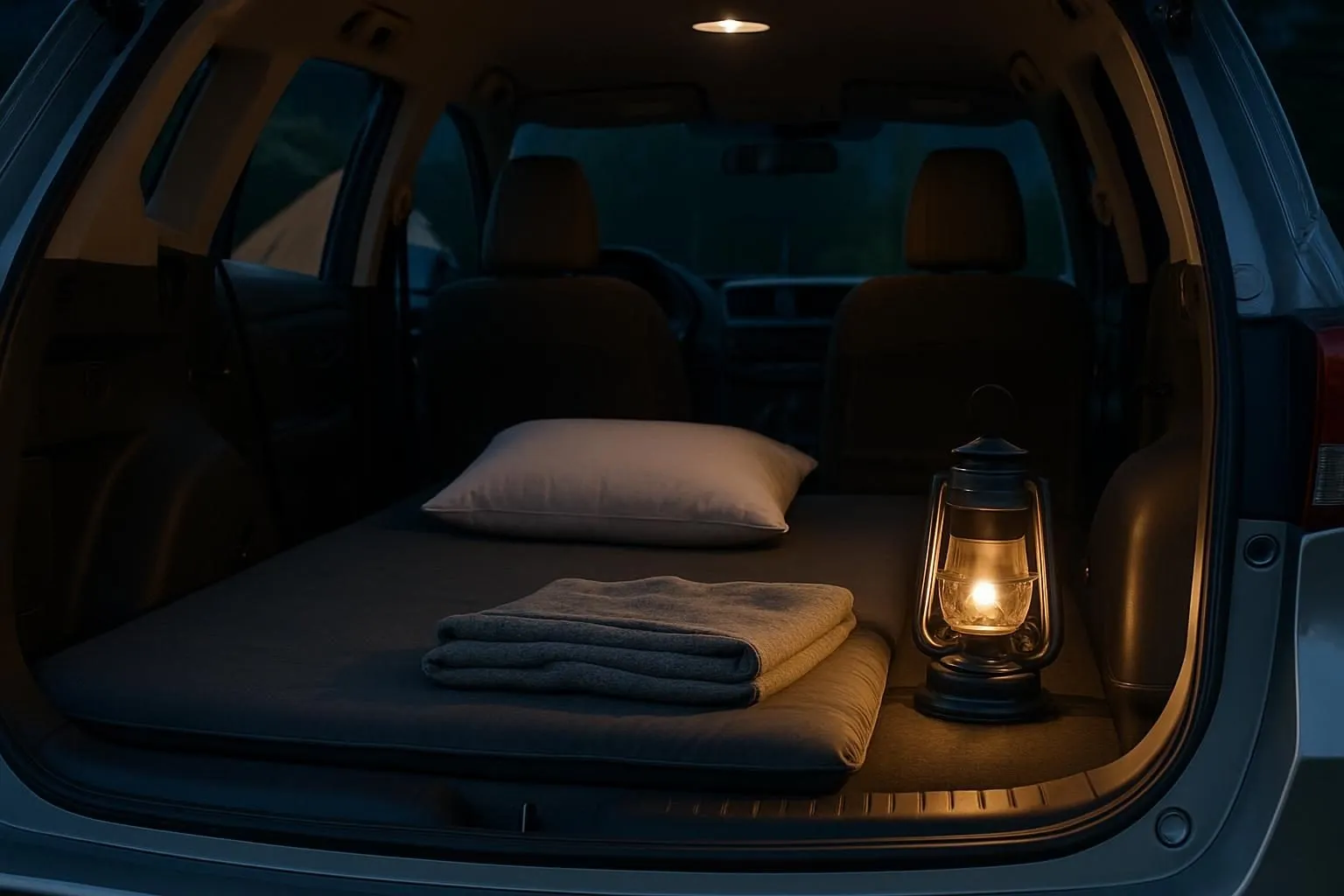
This is the main piece for turning a car space into a softer sleeping surface. Its self-inflating design helps create a more even base for a back seat or cargo area.
How do you make the sleeping surface flatter?
Flattening the base is the biggest comfort upgrade you can make. Fold rear seats down if your vehicle allows it, then remove loose items and level obvious dips with soft gear like blankets or duffels. In a back seat setup, you may need to fill the footwell so the mattress does not sag between the seat and floor.
Use the mattress only after the base is as even as possible. If one side sits higher, place folded clothing or a soft bag under the low spot. Avoid hard objects under the mattress, since they create pressure points you will feel later in your shoulders or lower back.
- Fold seats flat and lock them in place.
- Use soft fillers in footwells or low spots.
- Remove hard gear before inflating the mattress.
- Check that the mattress does not block door latches or seat controls.
What should you bring for a more comfortable night?
A good mattress is only part of the setup. You also need head support, a warm layer, and airflow. A pillow designed for the car can help keep your neck from bending awkwardly when you sleep at an angle. If the air inside feels stale or warm, a small fan can make a big difference without opening the whole car too far.
Bring a blanket that matches the nighttime temperature, plus a thin sheet if the mattress surface feels cool or slick. Keep water, a phone, and a flashlight within reach so you do not have to climb over your sleeping setup in the dark.
- Use a supportive pillow that keeps your neck neutral.
- Add a blanket or sleeping bag suited to the weather.
- Keep a fan nearby if the air gets stuffy.
- Store essentials where you can reach them from the bed.
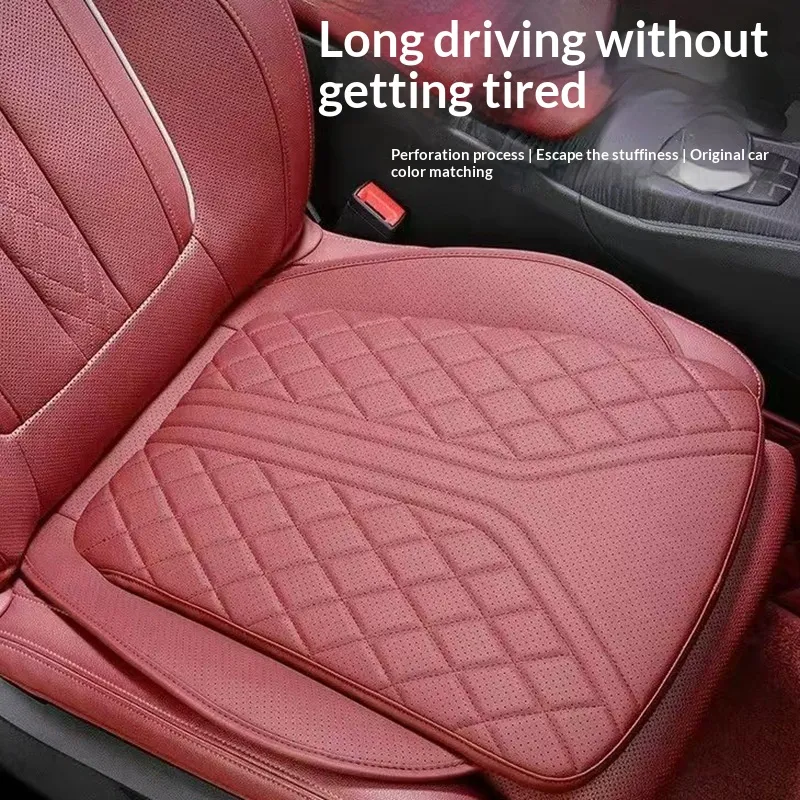
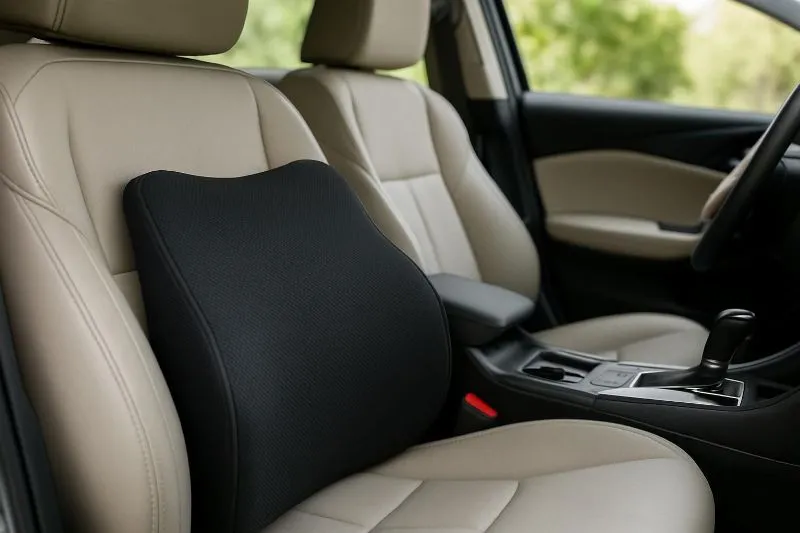
A supportive car pillow helps keep your neck in a better position when you sleep in a semi-reclined or side-sleeping posture.
How do you set up the car safely for sleeping?
Safety matters as much as comfort. Park level when possible, engage the parking brake, and make sure the car is in a place where overnight parking is allowed. If you crack a window, use a screen or another barrier so insects stay out. Check your state's rules if you are unsure about sleeping in a parked vehicle in that area.
Never block airbags, seat belts, or emergency exits with bedding or gear. If you are sleeping in a cargo area, keep loose items secured so they cannot shift onto you. If weather is cold, do not rely on the car running for heat all night. Dress in layers and ventilate carefully instead.
- Park where overnight stays are allowed.
- Crack windows only enough for airflow and insect control.
- Keep seat belts and airbags clear.
- Secure loose gear before going to sleep.
How do you avoid sore spots in the morning?
Morning stiffness usually comes from poor alignment. Try to keep your head, shoulders, and hips on one level as much as the car allows. If you sleep on your side, place a pillow between your knees or under your waist if there is a gap. If you sleep on your back, support your neck so your chin does not drop forward.
Before bed, test the setup for a minute or two. Lie down, notice where the pressure builds, and adjust before you commit to the night. Small changes like moving a folded towel under the hips or shifting the pillow height can prevent a lot of tossing and turning.
- Keep hips and shoulders supported evenly.
- Use a pillow between knees for side sleeping.
- Adjust pressure points before lights-out.
- Do a short test lie-down first.
What is the easiest step-by-step setup?
Start by clearing the space and folding the seats flat if needed. Measure the length and width, then inflate or place the mattress so it covers the main sleeping area without bunching at the edges. Fill major gaps with soft gear, then add bedding and a pillow that keeps your neck aligned.
Before sleep, check airflow, secure valuables, and set up anything you want within arm's reach. Once everything is in place, lie down for a quick comfort check. If the mattress shifts, add traction underneath or reposition the base before you call it done.
- Clear the space and fold seats flat.
- Measure before inflating or placing the mattress.
- Fill gaps with soft gear, not hard objects.
- Do one final comfort check before sleeping.
The bottom line
The easiest way to sleep better in a car is to flatten the space first, then choose a mattress that fits that shape instead of forcing the fit. Once the base is level, add the right pillow, bedding, and airflow. That simple setup will make a back seat or cargo area feel much more usable for camping nights.
Gear that helps
Picked from our shop for this problem. Free tracked shipping to all 50 states, and save up to 10% when you buy 2 or more.
This is the main piece for turning a car space into a softer sleeping surface. Its self-inflating design helps create a more even base for a back seat or cargo area.
A supportive car pillow helps keep your neck in a better position when you sleep in a semi-reclined or side-sleeping posture.
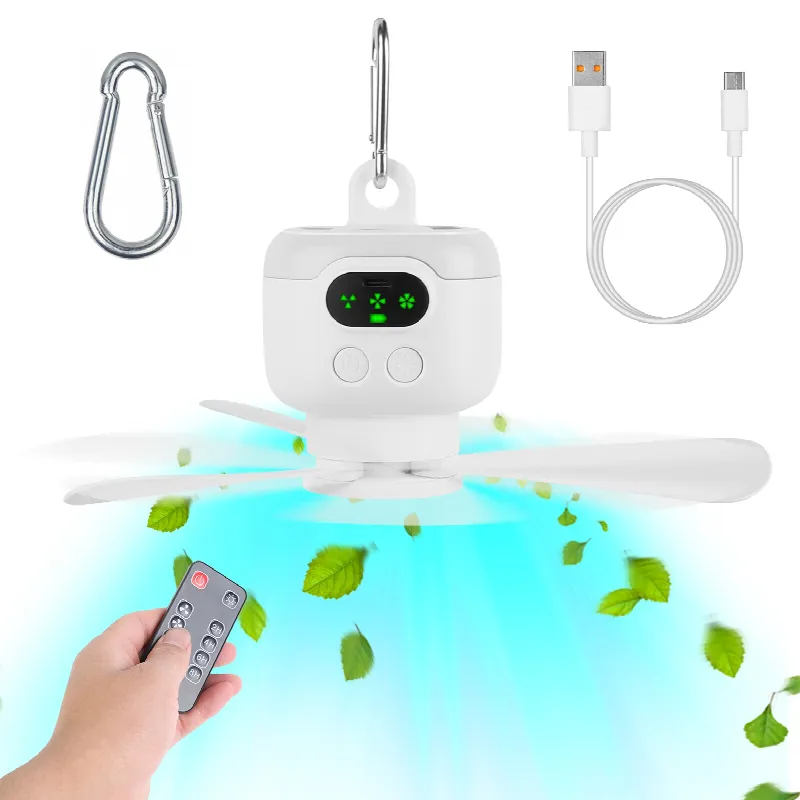
A portable fan helps with airflow on warm nights, which can make sleeping in a closed car feel less stuffy and more restful.
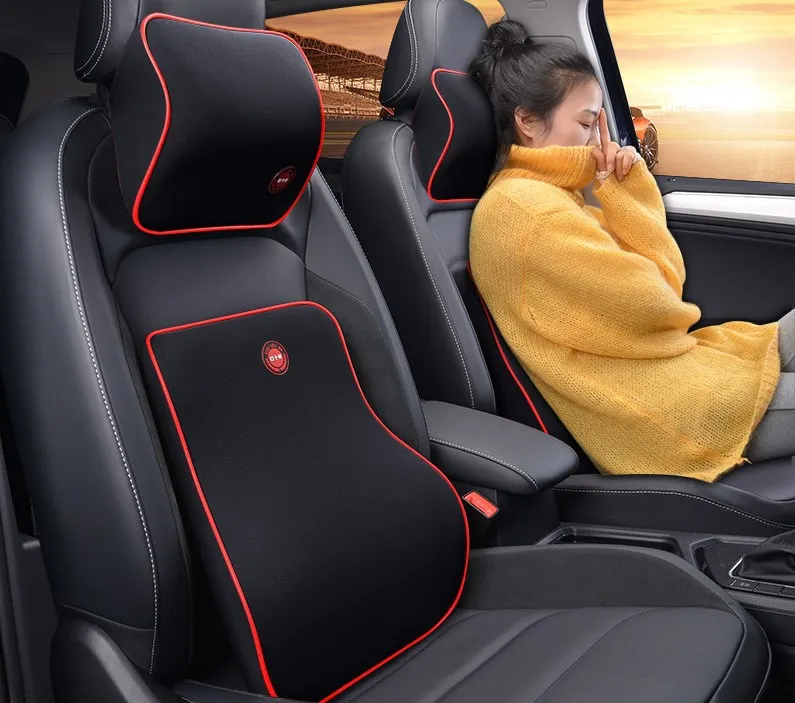
This pillow set can help support both the head and lower back if you need to sit up, recline, or fine-tune your sleeping position.
Questions people ask
Can you sleep comfortably in a car without a special mattress?
Sometimes, but it is usually harder on your back and hips. A mattress or thick pad helps bridge seat gaps and soften hard edges, which makes a big difference for overnight comfort.
Should the mattress go in the back seat or cargo area?
Use whichever area gives you the flattest surface and the most length. Cargo areas usually work better if the rear seats fold flat, while back seats can work if you can bridge the footwell and keep the surface even.
How do I keep the car from getting too hot or stuffy?
Use a small amount of window ventilation if conditions allow, and pair it with a fan if needed. Do not leave openings large enough for insects or security issues, and adjust for weather.
What should I check before sleeping in my car overnight?
Make sure parking is allowed, the surface is level, the sleeping area is clear, and nothing blocks doors or safety equipment. Check your state's rules if you are not sure about overnight vehicle sleeping in that area.