Car Jump Starter: What to Do When Your Battery Dies
The short answer
- Check battery size, clamp quality, and low-temperature performance before you buy.
- A jump starter can help without another car, but it is not a fix for a failing battery.
- Keep the unit charged and store it where you can reach it fast.
- Follow the clamp order carefully and stop if you see swelling, leaks, or damage.
If your car battery dies in a parking lot, the goal is simple: get the car started safely without making the problem worse. A portable car jump starter can do that without needing another vehicle nearby.
The key is knowing how these units work, what features matter in cold weather or long storage, and how to connect them the right way. A little preparation can save time, reduce stress, and help you avoid common mistakes.
What a portable jump starter actually does
A portable jump starter is a compact battery pack that sends a short burst of power to your vehicle’s battery so the engine can start. It is not meant to charge a dead battery back to full; it is meant to provide enough power to crank the engine.
That means it is useful when the battery is low, the vehicle has been sitting, or the weather has made starting harder. If the battery is damaged, frozen, swollen, or leaking, do not try to jump-start it. In that case, call for roadside help and follow safety guidance from your vehicle manual.
- It gives a short starting boost, not a full recharge.
- It works without a second vehicle.
- It is best for low or dead batteries that are otherwise intact.
Which features matter most before you buy
Look first at peak current and whether the unit is sized for your vehicle type. A small unit may be fine for a compact vehicle, while larger engines usually need more output. The safest choice is one that clearly fits your vehicle class instead of guessing.
Next, check the clamp quality, cable length, and the built-in protections. Reverse-polarity protection, over-current protection, and short-circuit protection are helpful safeguards. A clear charge indicator also matters, because a jump starter that is not charged will not help when you need it.
- Match the output to your vehicle size.
- Choose sturdy clamps and enough cable length to reach the battery comfortably.
- Look for built-in safety protections.
- Pick a model with an easy-to-read charge display.
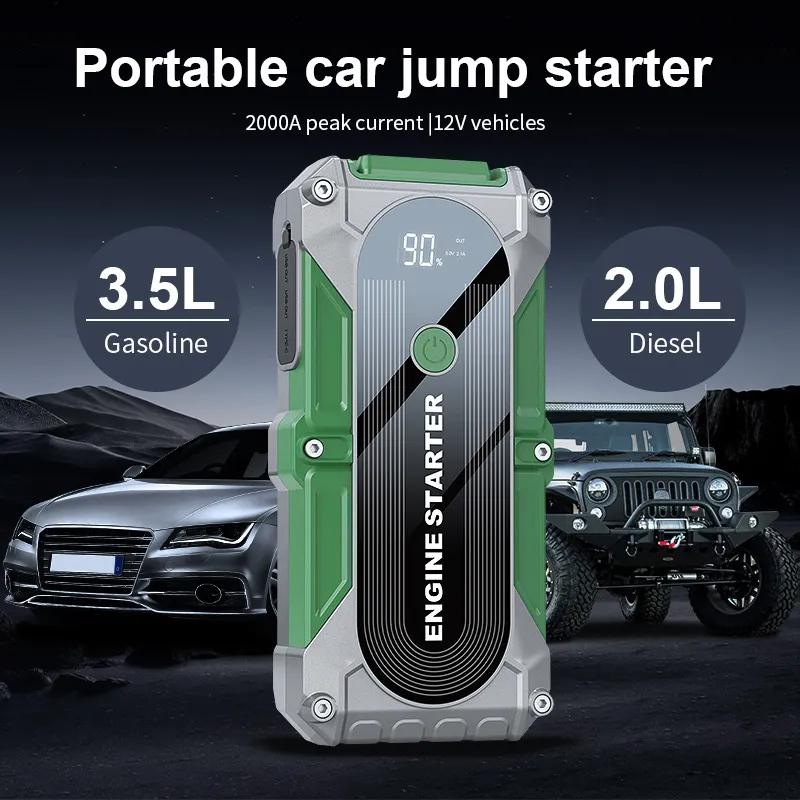
This is the most direct solution for a dead battery in a parking lot. It gives you a portable starting boost without needing another vehicle nearby.
Cold weather and long storage: what to look for
Cold temperatures can make batteries weaker and harder to start. If you live somewhere with cold winters, choose a jump starter that is rated for low-temperature use and keep it charged more often during the season. Store it in a place that stays warmer than the trunk if possible, such as the cabin or a home entry area.
For long storage, plan to recharge the unit every few months, or sooner if the charge indicator drops. A jump starter that sits unused for months can lose enough power to be unreliable. Check the charge before road trips, and especially before winter travel.
- Keep it charged more often in cold weather.
- Store it somewhere easy to grab in an emergency.
- Recheck the charge before long trips.
- Do not leave it where heat or cold can damage it.
How to use a car jump starter safely
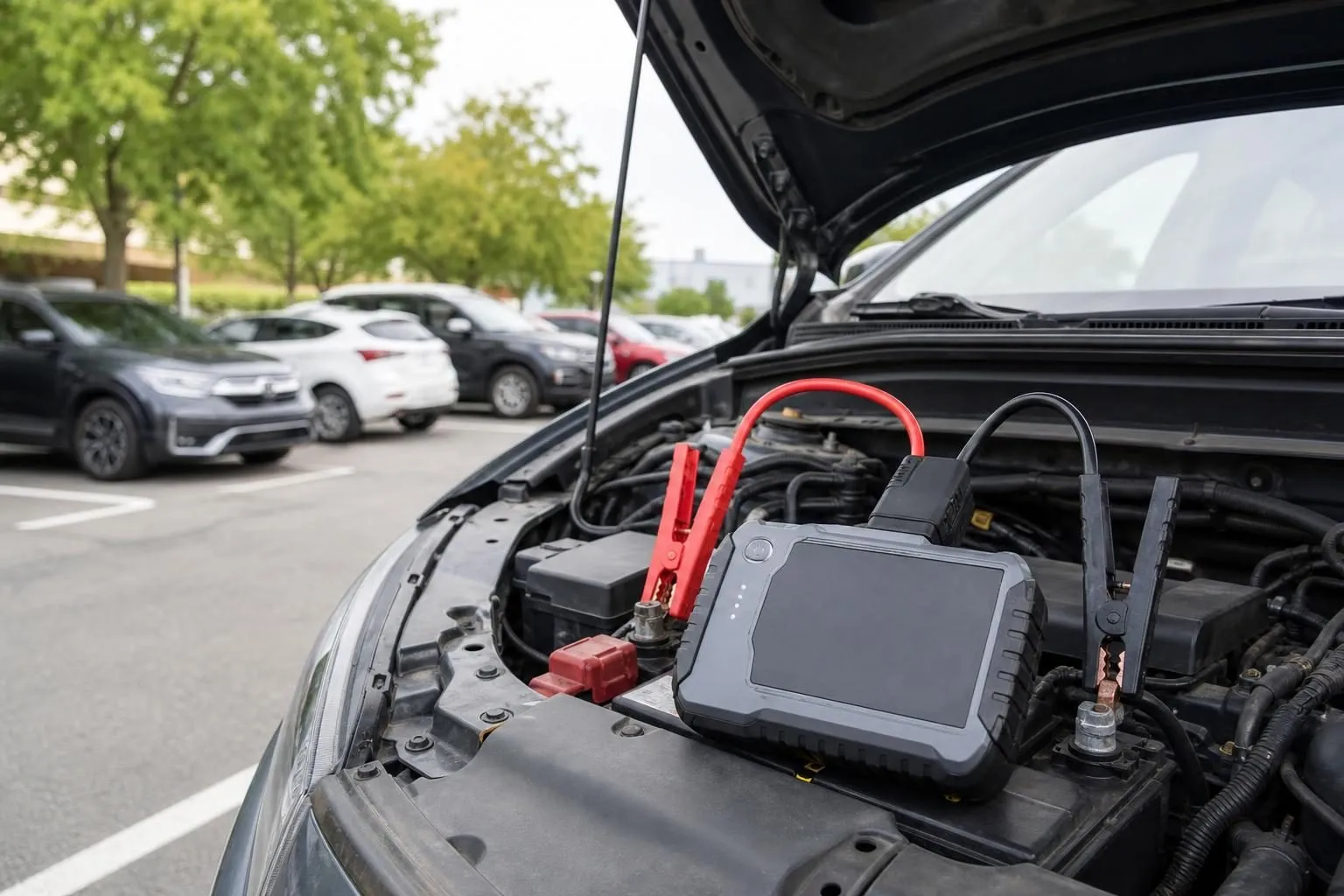
Start with the vehicle in park or neutral, the parking brake set, and all accessories turned off. Open the hood and find the battery terminals. If the battery case is cracked, bulging, hot, or leaking, stop and get help instead of connecting the unit.
Connect the positive clamp to the battery’s positive terminal first, then the negative clamp to the negative terminal or the grounding point recommended in the vehicle manual. Make sure the clamps bite firmly and are not touching each other. Then power on the jump starter and try to start the engine. If it does not start after a few short attempts, stop and reassess rather than overheating the starter system.
- Set the parking brake first.
- Connect positive to positive before the negative clamp.
- Keep clamps clear of each other and moving parts.
- Use only short start attempts.
- Stop if the battery looks damaged or unsafe.
This is the most direct solution for a dead battery in a parking lot. It gives you a portable starting boost without needing another vehicle nearby.
What to do after the engine starts
Once the engine starts, let it run so the battery can recover some charge. Remove the clamps in the reverse order recommended by the unit instructions, usually negative first and then positive. Put the jump starter away only after you confirm the clamps are cool and the cables are not tangled around hot or moving parts.
Afterward, drive long enough to give the battery a better charge, then watch for repeat problems. If the car dies again soon, the battery may be near the end of its life, the alternator may need attention, or there may be another electrical issue. A jump starter gets you going; it does not solve the root cause.
- Remove the clamps carefully and in the correct order.
- Let the engine run after starting.
- Watch for repeat starting problems.
- Have the battery and charging system checked if the issue returns.
Where to keep it so you can use it fast
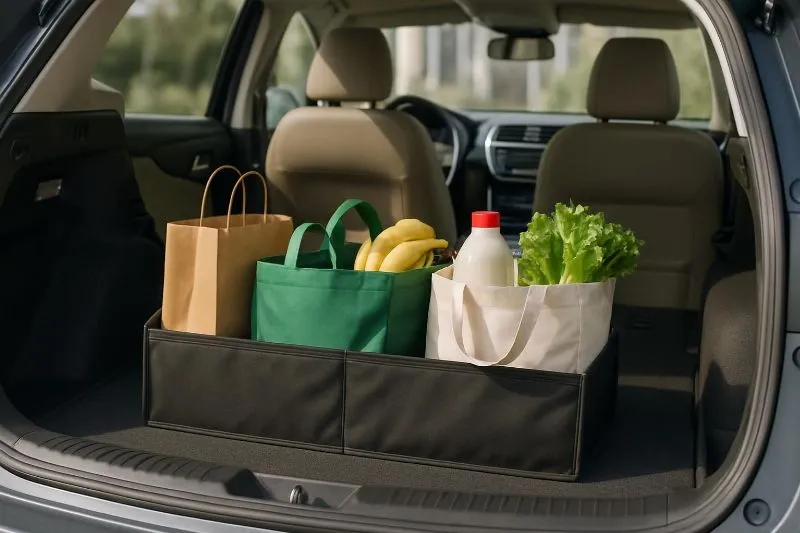
A jump starter helps most when it is easy to reach. Store it in a spot you can access without digging through the whole trunk, such as an organizer or dedicated storage bin. Keep the instructions with it so you are not guessing during a stressful moment.
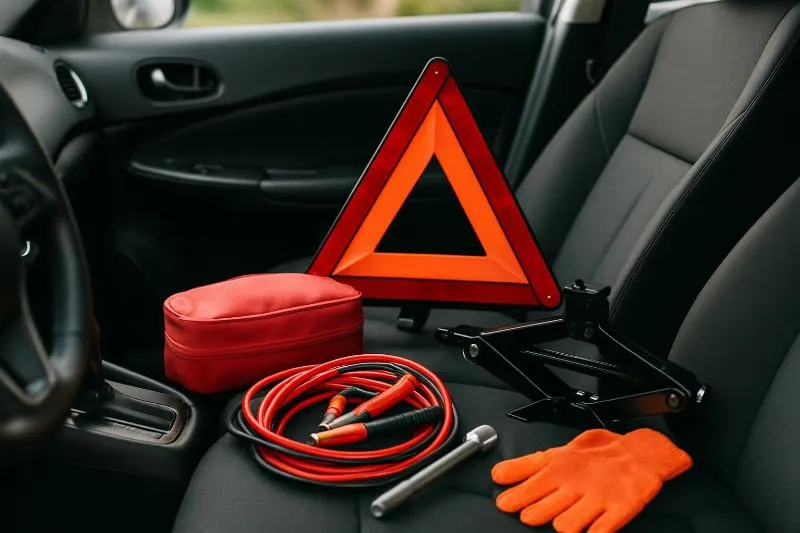
It is also smart to keep the battery pack, charging cable, and any clamp covers together. Before a trip, make sure the unit is charged, the clamps are clean, and the cables are not frayed. A few minutes of prep can make a parking-lot breakdown much easier to handle.
- Store it where you can reach it quickly.
- Keep the instructions with the unit.
- Check cables and clamps for wear.
- Recharge it on a schedule, not only after use.
The bottom line
The simplest plan is to buy a jump starter that matches your vehicle, keep it charged, and practice the connection steps before you ever need it. If your battery dies in a parking lot, stay calm, check for visible damage, and follow the clamp order carefully. If the battery looks unsafe or the car will not start after a few tries, get professional help.
Gear that helps
Picked from our shop for this problem. Free tracked shipping to all 50 states, and save up to 10% when you buy 2 or more.
This is the most direct solution for a dead battery in a parking lot. It gives you a portable starting boost without needing another vehicle nearby.
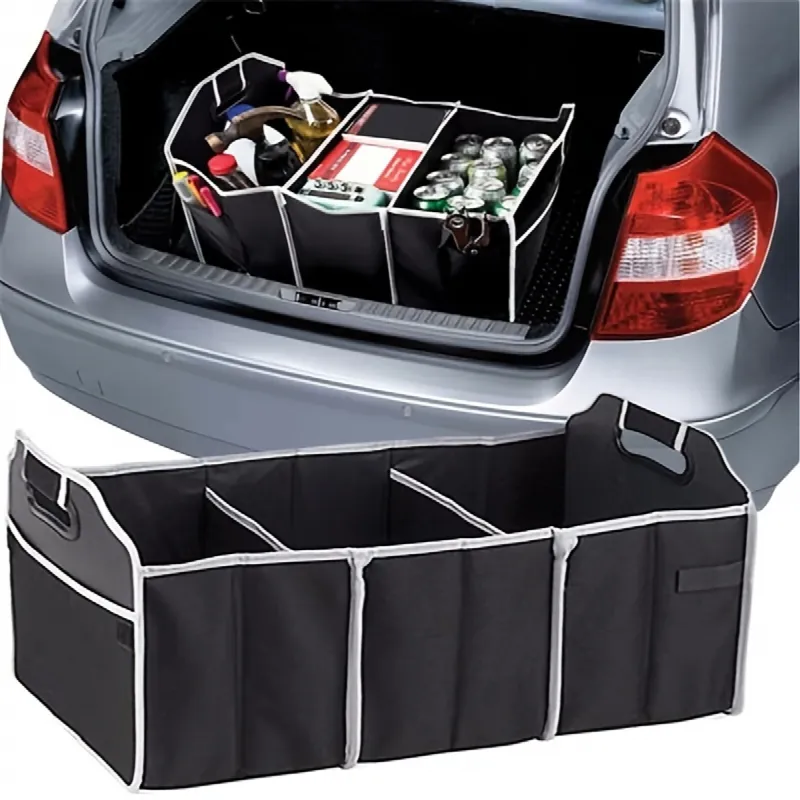
A trunk organizer with a lid helps keep the jump starter, cables, and instructions together so you can find them quickly when you need them.
Questions people ask
Can a car jump starter replace roadside assistance?
It can solve many dead-battery situations on its own, especially when no other car is nearby. But it does not replace help for damaged batteries, repeated failures, or other mechanical problems.
How often should I recharge a jump starter?
Check the charge regularly and recharge it every few months, or sooner if the indicator drops. In cold weather, check it more often because batteries lose performance faster.
Will a jump starter work on a completely dead battery?
Sometimes, if the battery is discharged but otherwise intact. If the battery is swollen, leaking, frozen, or damaged, do not try to jump-start it.
Can I keep a jump starter in the trunk all year?
You can, but it is usually better to store it somewhere with more moderate temperatures if possible. Extreme heat or cold can reduce battery performance over time.