Pet Backpack Carrier: How to Make Car Transfers Calmer
The short answer
- Keep the carrier stable, covered, and well-ventilated during transfers.
- Measure your pet before buying so they can stand, turn, and lie down comfortably.
- Use short practice sessions at home before the first real car trip.
- Never let a pet ride loose or stick their head out of an open carrier.
Busy parking lots, loud doors, and fast handoffs can overwhelm a nervous pet before the car even moves. A pet backpack carrier can help by creating a smaller, more predictable space from the front door to the back seat.
The goal is not just convenience. It is to keep your pet secure, reduce panic, and make each step feel calmer. Here is how to choose the right carrier and use it safely for vet, groomer, and short errand trips.
Why a backpack carrier helps nervous pets
A backpack-style carrier gives a small pet one enclosed space from home to car to waiting room. That can reduce the stop-start feeling that often triggers panic, especially in noisy lots or crowded offices.
It also helps you keep both hands free while opening doors, handling keys, or carrying paperwork. For a nervous pet, fewer awkward handoffs usually means less thrashing, less escaping, and less chance of being dropped.
- Keeps the pet in one familiar space
- Makes parking lot handoffs faster
- Helps prevent bolting at doors
- Gives you better control in busy areas
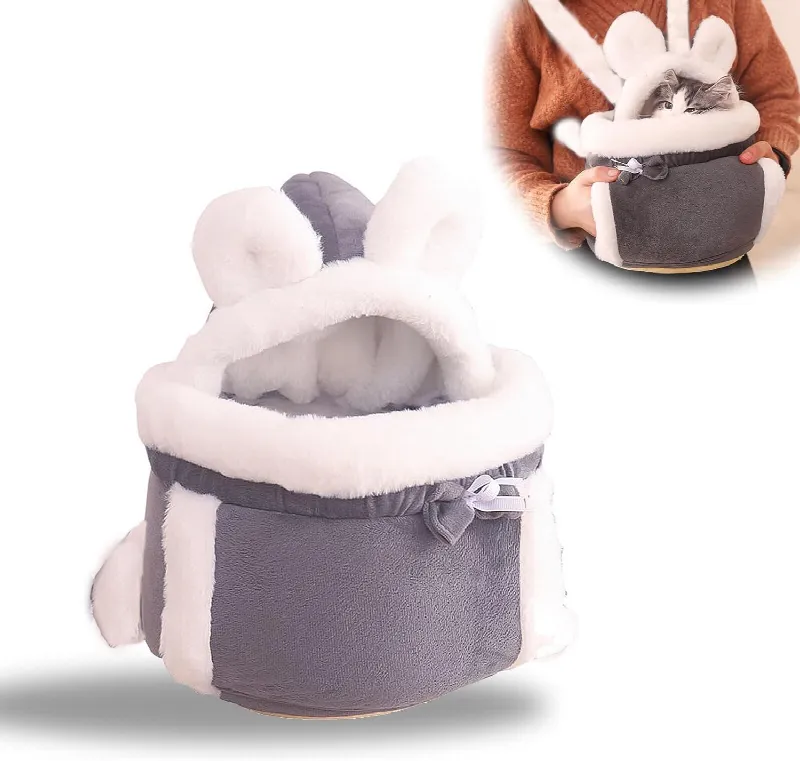
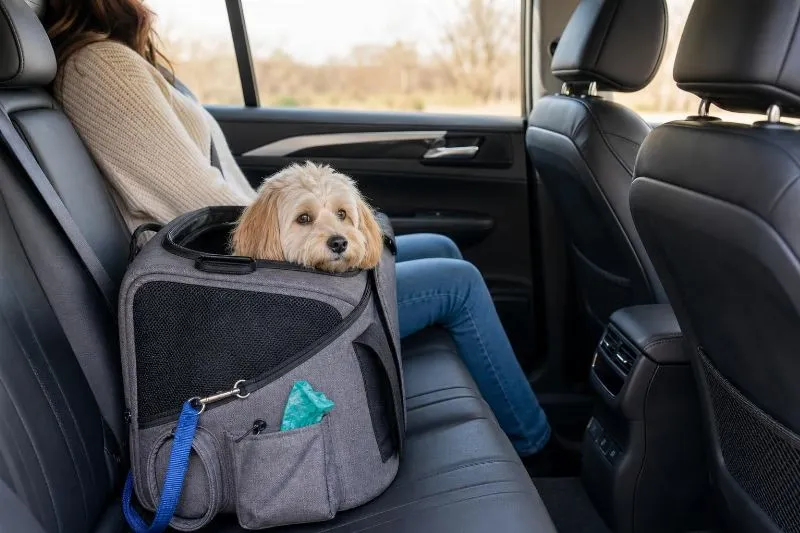
This backpack-style carrier adds pockets for small essentials while keeping a nervous pet enclosed and easier to carry through parking lots and lobbies.
How to choose the right size
Before buying, measure your pet from nose to base of tail and from floor to top of head while they are standing. The carrier should be roomy enough for them to stand, turn around, and lie down without squeezing their sides.
Check the weight limit and the opening size too. If your pet is between sizes, choose the option that gives a little extra room without becoming so large that they slide around. A too-big carrier can feel less secure for a nervous animal.
- Measure length, height, and weight
- Look for enough room to turn around
- Avoid carriers that force a crouched posture
- Choose a firm base so the carrier does not sag
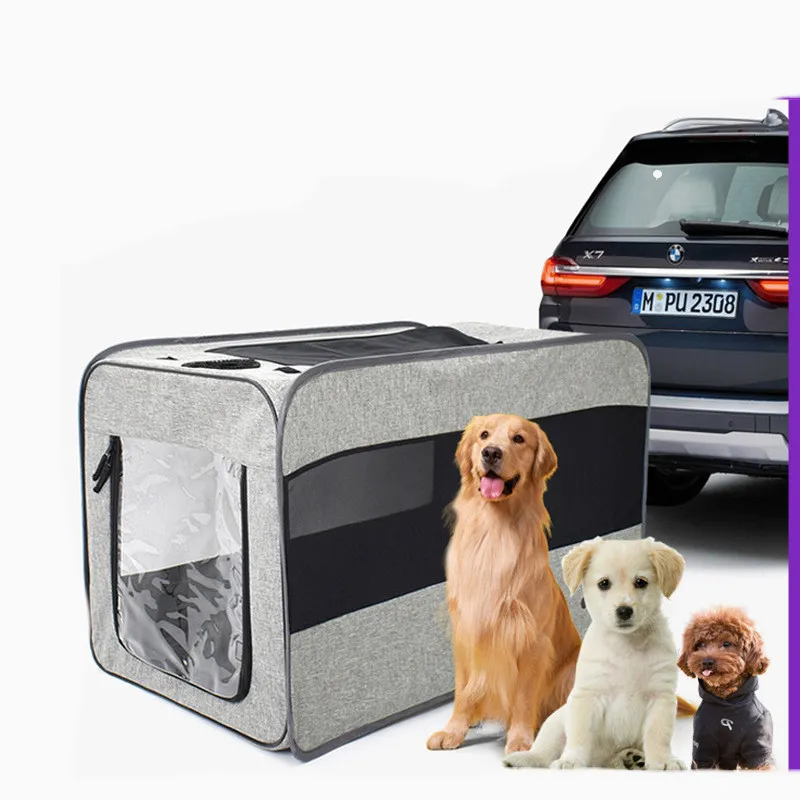
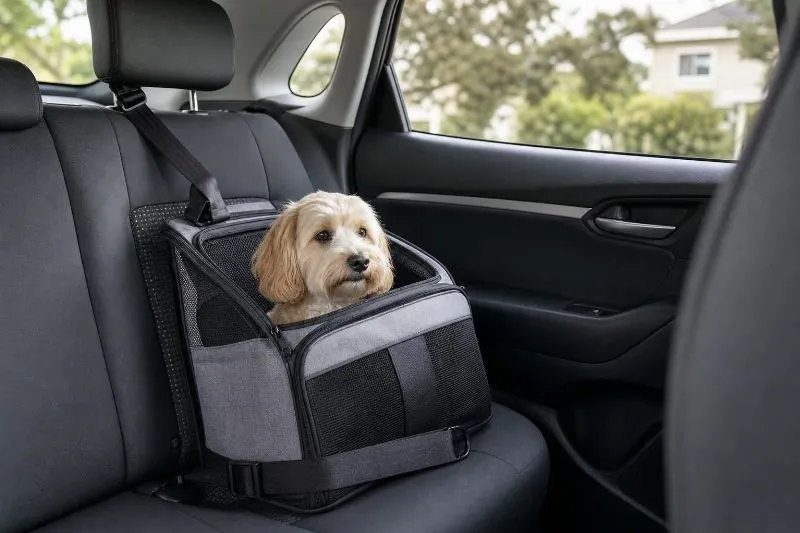
A foldable carrier is useful if you want a more structured travel setup that still stores easily between appointments.
How to get your pet used to it at home
Do not make the carrier the first place your pet sees only on trip day. Leave it open at home for a few days so they can sniff it, step in, and back out on their own. You can add a familiar blanket or a T-shirt that smells like home.
Start with very short sessions. Let them sit inside for a minute or two, then reward calm behavior. After that, carry the backpack around the house, then take a short walk to the car. The idea is to teach that the carrier is safe before the first stressful appointment.
- Leave the carrier open in a quiet room
- Use a familiar blanket for scent comfort
- Practice short carry sessions indoors
- Build up to brief car trips slowly
How to move from house to car without a panic moment
Plan the route before you pick up the carrier. Have keys ready, open the car door first, and avoid extra stops that make your pet wait longer than needed. If your pet gets nervous with sound, keep voices low and movements smooth.
Hold the carrier with two hands when possible, keep it level, and do not swing it. If your pet is already upset, pause for a moment in a quiet spot before going outside. A calm transfer is usually easier than trying to rush through a struggling pet.
- Get the car ready before picking up the pet
- Keep the carrier level during the walk
- Avoid loud talking and sudden stops
- Do not open the carrier until you are in a safe place
How to secure the carrier in the car
Once inside, place the carrier on a flat seat or cargo area where it will not slide. Keep it away from airbags, pedals, and the driver’s side footwell. Never let the carrier sit where it blocks your view or interferes with seat belts and buckles.
Use the vehicle’s seat belt or another secure method to hold the carrier in place, as long as it does not crush the bag or restrict ventilation. The goal is gentle restraint, not compression. If your pet can wriggle out, the carrier is not being used safely enough.
- Place it on a flat, stable surface
- Keep it clear of airbags and pedals
- Make sure the belt does not block the zipper or airflow
- Check that the carrier cannot tip or slide
What to pack for a calmer trip
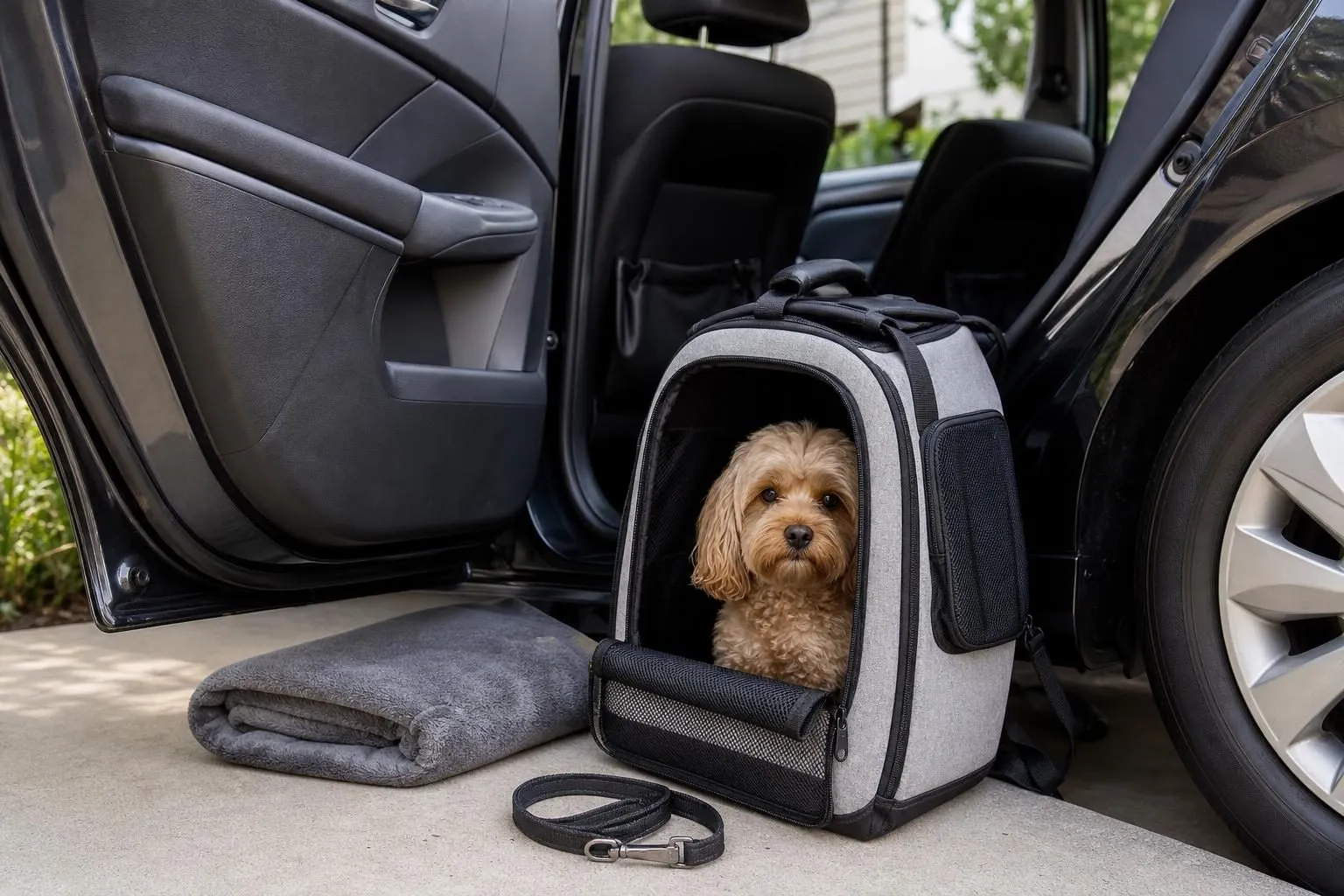
A small, nervous pet usually does better with fewer surprises. Bring any required medicine, a leash or harness for when the carrier is opened, and a small towel or blanket that smells familiar. If your pet tends to get thirsty, offer water only when the car is stopped and safe.
Do not feed a large meal right before a drive unless your vet has told you otherwise. If your pet is prone to motion sickness or severe anxiety, ask your vet what timing or calming plan makes sense before the appointment.
Keep these items ready:
- ID tag and paperwork
Common mistakes that make pets more anxious
Many problems come from moving too fast or using the carrier in a way that feels unstable. A pet that slides around, overheats, or gets yanked out of the bag is more likely to panic next time.
Avoid leaving the carrier open in a moving car, using a carrier that is too large and loose, or placing the pet where they can crawl under pedals or jump into the front seat. If you are transporting a dog, cat, or other small animal, use the right restraint for the species and size, and follow your state’s rules if they apply.
- Do not use a loose carrier that tips easily
- Do not let the pet ride unrestrained
- Do not place the carrier where it can interfere with driving
- Do not skip practice before a real appointment
The bottom line
The simplest plan is to choose the right-size pet backpack carrier, practice at home, and keep every transfer steady and quiet. When the carrier stays stable and your pet knows what to expect, vet and groomer trips become much easier on both of you.
Gear that helps
Picked from our shop for this problem. Free tracked shipping to all 50 states, and save up to 10% when you buy 2 or more.
This backpack-style carrier adds pockets for small essentials while keeping a nervous pet enclosed and easier to carry through parking lots and lobbies.
A foldable carrier is useful if you want a more structured travel setup that still stores easily between appointments.
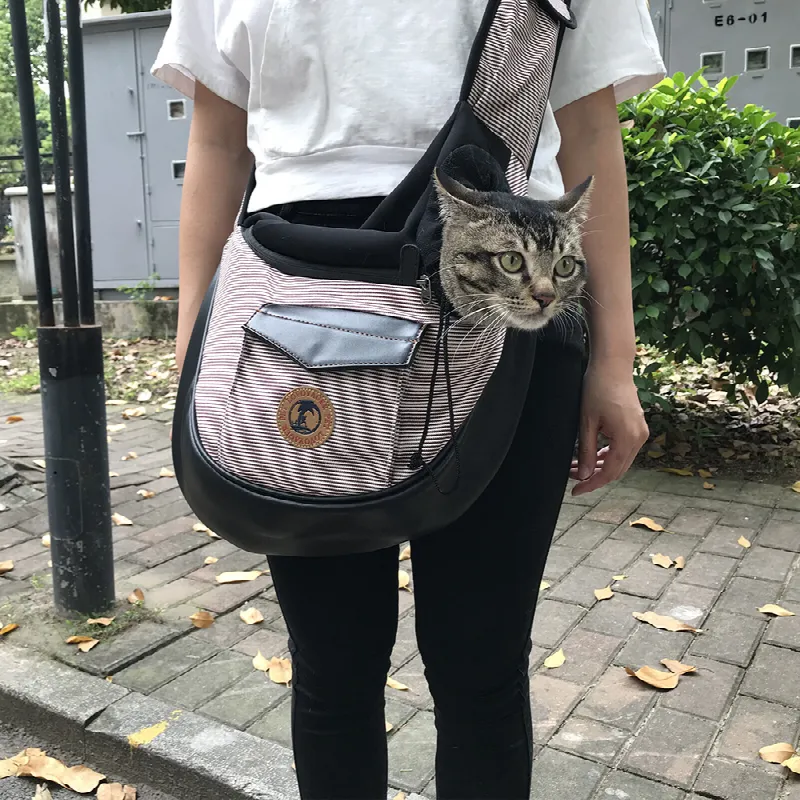
This soft travel bag can work for short, low-stress transfers when you want a lightweight option for a small pet.
Questions people ask
Can a pet backpack carrier be used in the car?
Yes, if it is placed on a stable surface and secured so it cannot slide or tip. Keep it away from airbags, pedals, and anything that blocks the driver’s view. The carrier should stay closed except when you are safely stopped.
How do I know if the carrier is too small?
If your pet cannot stand up, turn around, or lie down comfortably, it is too small. Measure their length and height before buying, and check the carrier’s opening and weight limit. A cramped carrier can make a nervous pet feel trapped.
Should I cover the carrier to calm my pet?
A light cover can help some pets feel less exposed, but it should not block airflow. Leave enough opening for ventilation and visibility. If your pet seems hotter, more agitated, or unable to breathe easily, remove the cover right away.
What if my pet panics as soon as we get near the car?
Go back a step and practice shorter, quieter sessions at home and near the car without driving. Reward calm behavior and keep the carrier predictable. If the panic is severe, ask your vet about behavior support or travel advice.